 Planetary eXploration Lab
VENUSIAN · Active
VENUSIAN
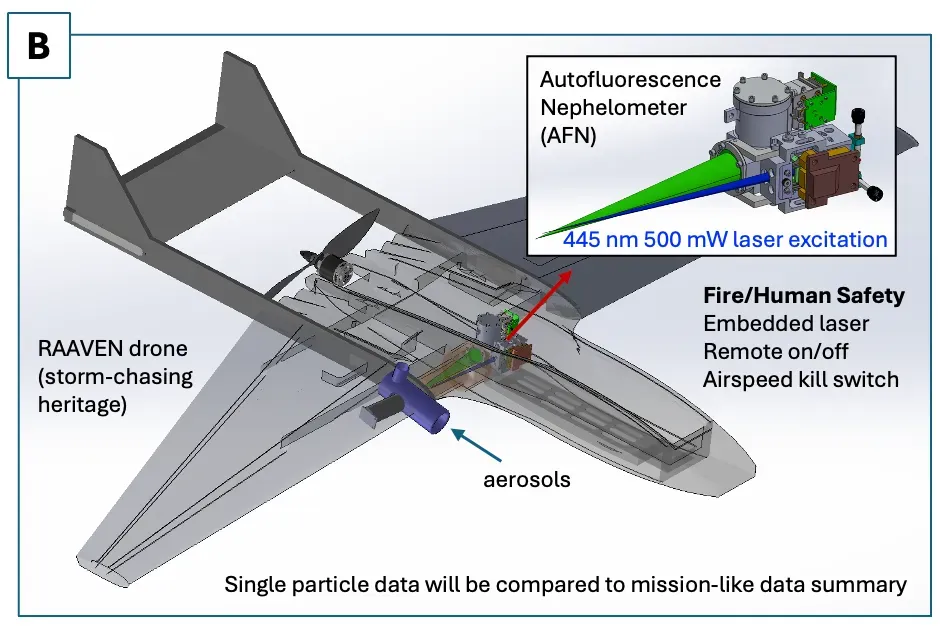
Volcanic Emission iNvestigation Utilizing Single-particle In-situ Automated Nephelometry
A drone-borne nephelometer that measures volcanic aerosols on Earth as an analog for Venus cloud particles.
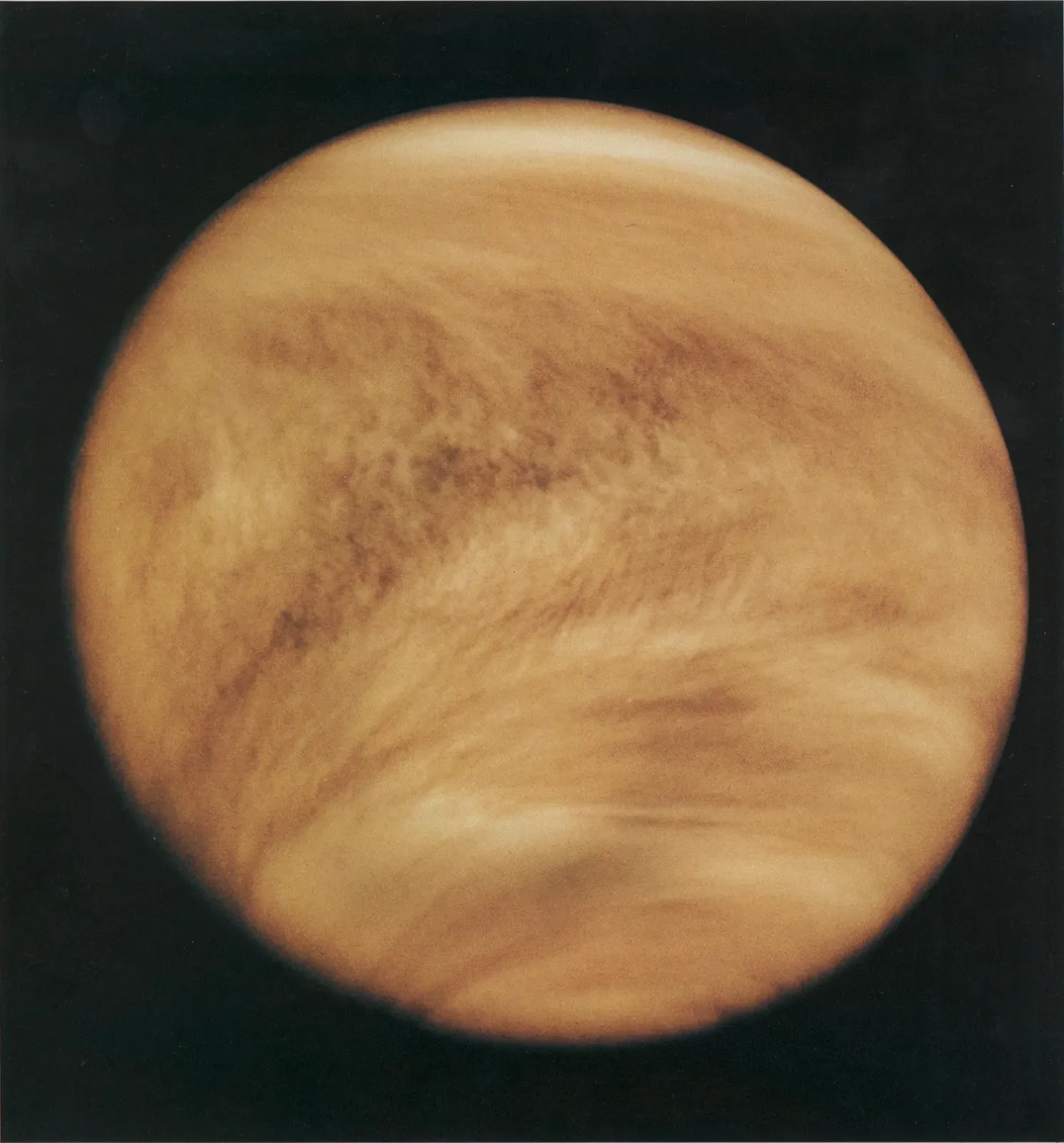
Background: While the clouds of Venus are too dry and too acidic for life as we know it, the clouds may harbor organic carbon chemistry derived from meteoritic input or other sources. This chemistry could help to explain several longstanding mysteries of the Venus atmosphere. The Rocket Lab Mission to Venus will seek evidence of a carbon cycle in the Venus clouds using the Autofluorescence Nephelometer (AFN). The AFN will measure single-particle size, shape (sphericity, a measure of whether particles are liquid or solid), and fluorescence, as well as multi-particle refractive index (proxy for composition). On Earth, sulfuric acid aerosols play an important role in climate and result in part from volcano-emitted sulfur dioxide that is oxidized to sulfuric acid. Recent evidence suggests that volcanos can also emit sulfur in the form of sulfuric acid aerosols directly; due to difficulty in measuring sulfate aerosols, total volcanic sulfur emissions may be underestimated by as much as 40%.
Science goals: We seek to improve science return from the Rocket Lab Mission to Venus and to demonstrate a proof of principle for improving knowledge of sulfuric acid emissions and impacts on Earth.
Objectives: (1) Carry out a systems-level test of AFN data collection near an active volcano. (2) Execute lab studies to assist in interpreting Venus data and implications for Earth.
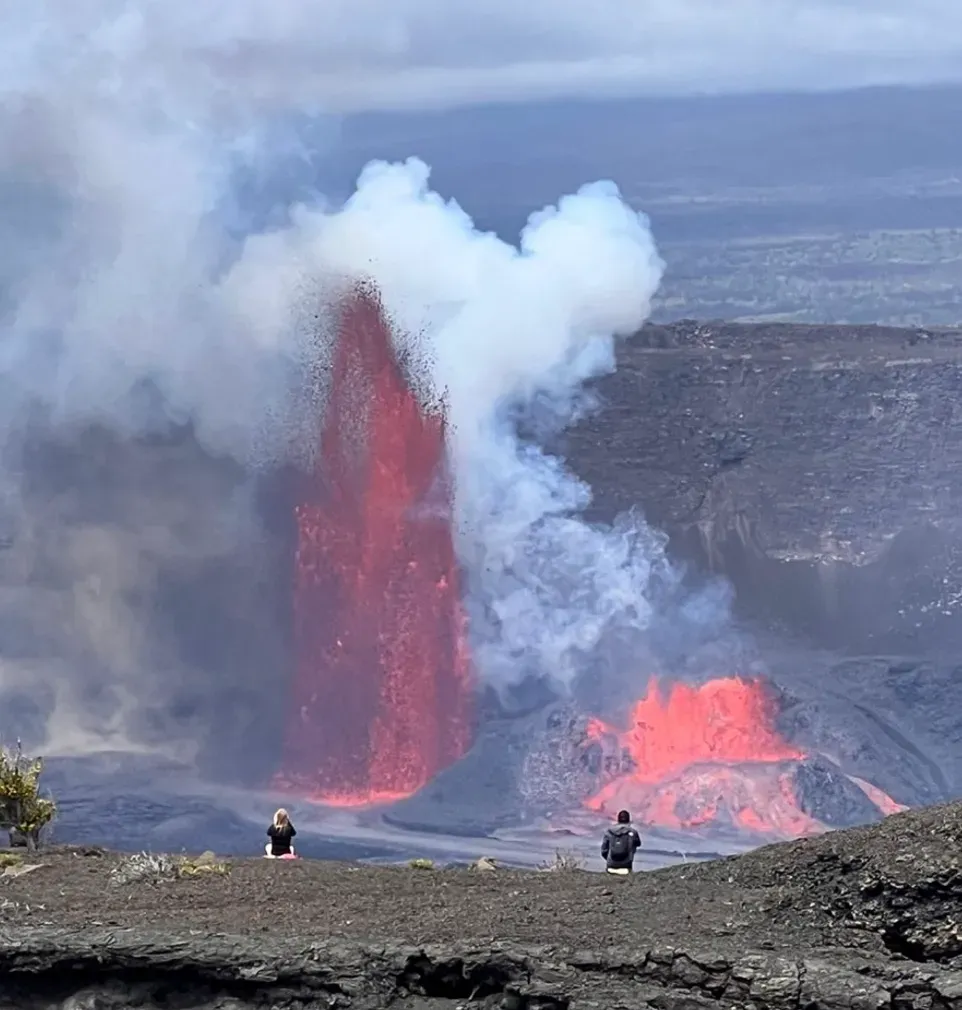
Progress: Our first field study was conducted in Hawaii in March 2025, with two successful flights collecting AFN data, one of which happened to occur during a significant eruption at the nearby Kilauea volcano.
For more information: Morning Star Missions to Venus
Lab publications
- , , , , , , . Venus cloud catcher as a proof of concept aerosol collection instrument. Sci Rep. 2024 Dec 3;14(1):30045. doi: 10.1038/s41598-024-80847-8. PMID: 39627255. PMCID: PMC11615339.
Presentations and abstracts
- , , , , , , , , , , . First Results from the VENUSIAN mission. American Meteorological Society (AMS) Annual Meeting, Houston, TX (presentation). 2026 Jan.
- , , , , . First Results from the AFN Measurements during the VENUSIAN Mission. Earth and Planetary Cloud Workshop, Pasadena, CA. 2025 Jun.
- , , , , , , , , , , , , , , , , . Volcanic Emission iNvestigation Utilizing Single-particle In-situ Automated Nephelometry (VENUSIAN). Earth and Planetary Cloud Workshop, Pasadena, CA. 2025 Jun.
- , , , , , , , , , , , , , , . Volcanic Emission iNvestigation Utilizing Single-particle In-situ Automated Nephelometry. NASA Planetary Science Technology Symposium, Cleveland, OH. 2024 Oct. www1.grc.nasa.gov
- , , , , , , , . Venus Cloud Catcher: Proof of Concept of Electrostatic Aerosol Deposition Collector. 45th COSPAR Scientific Assembly, Busan, Korea. 2024 Jul;(Abstract 422).
Gallery