 Planetary eXploration Lab
Esta página aún no está disponible en español. Se muestra en inglés.
Gallery
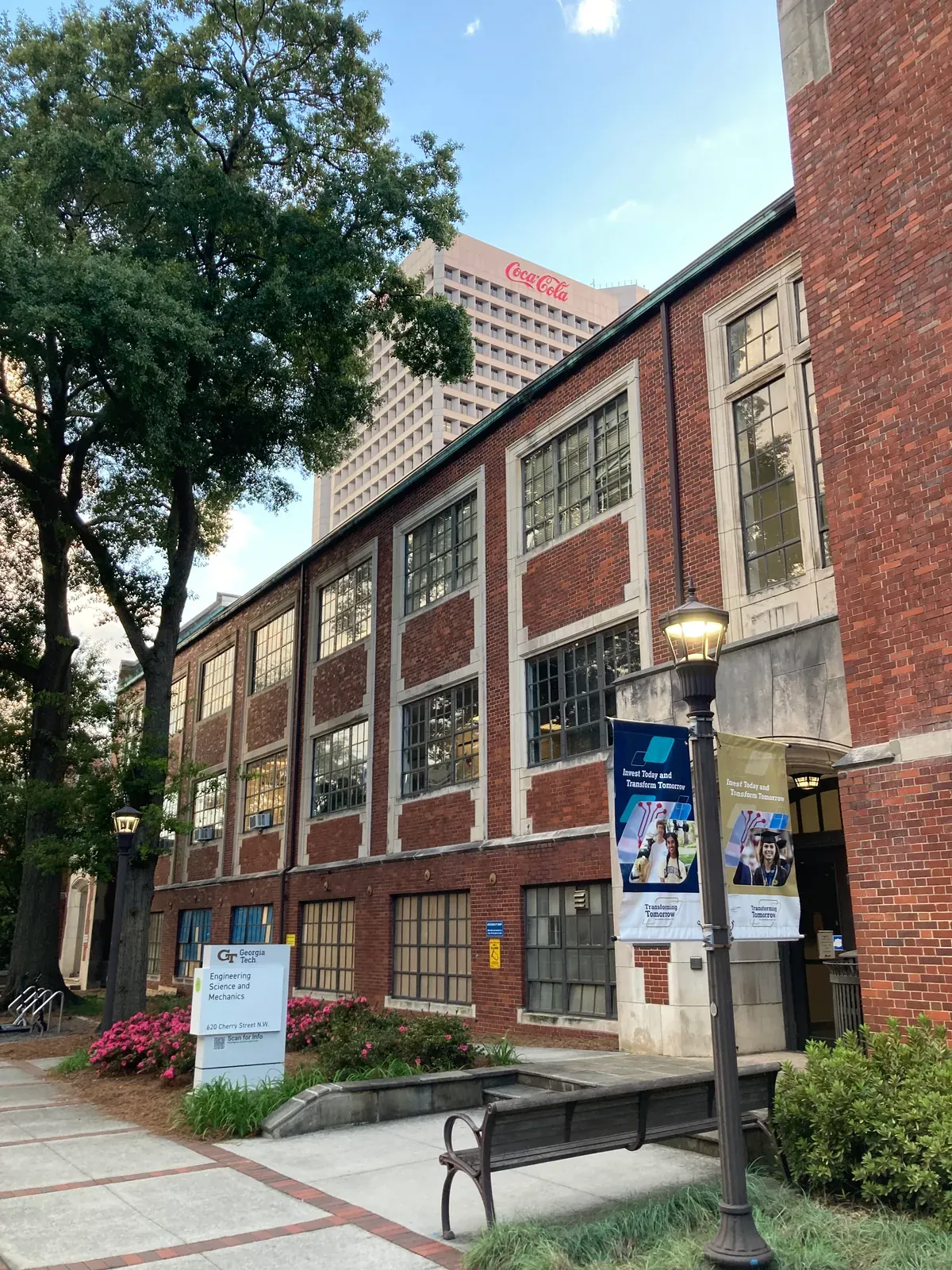
The Engineering Science and Mechanics (ESM) building at Georgia Tech, with Atlanta's Coca-Cola tower in the background.
Credit: Christopher E. Carr
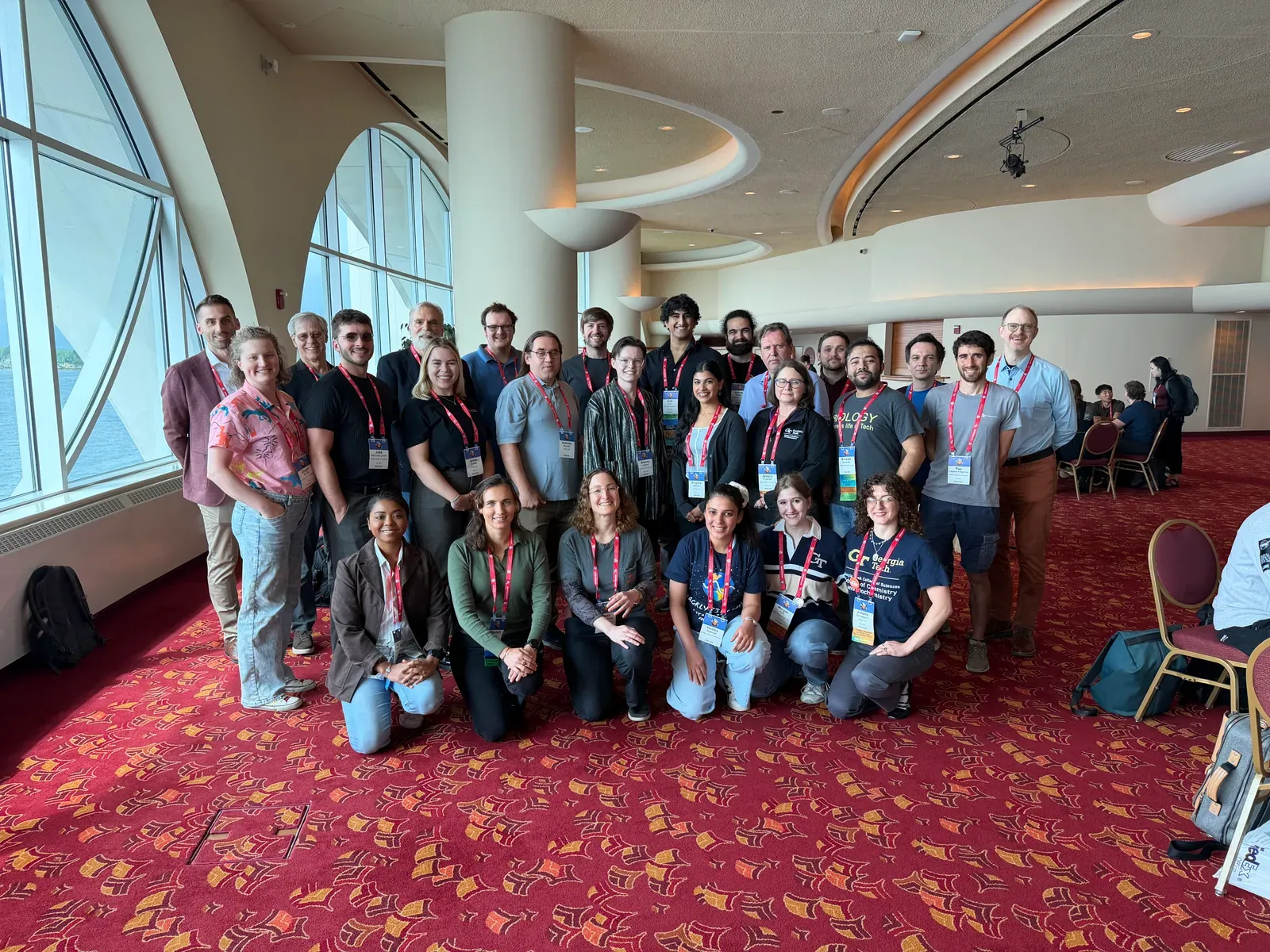
Members of the Georgia Tech Astrobiology Community at the Astrobiology Science Conference (AbSciCon) 2026 in Madison, Wisconsin.
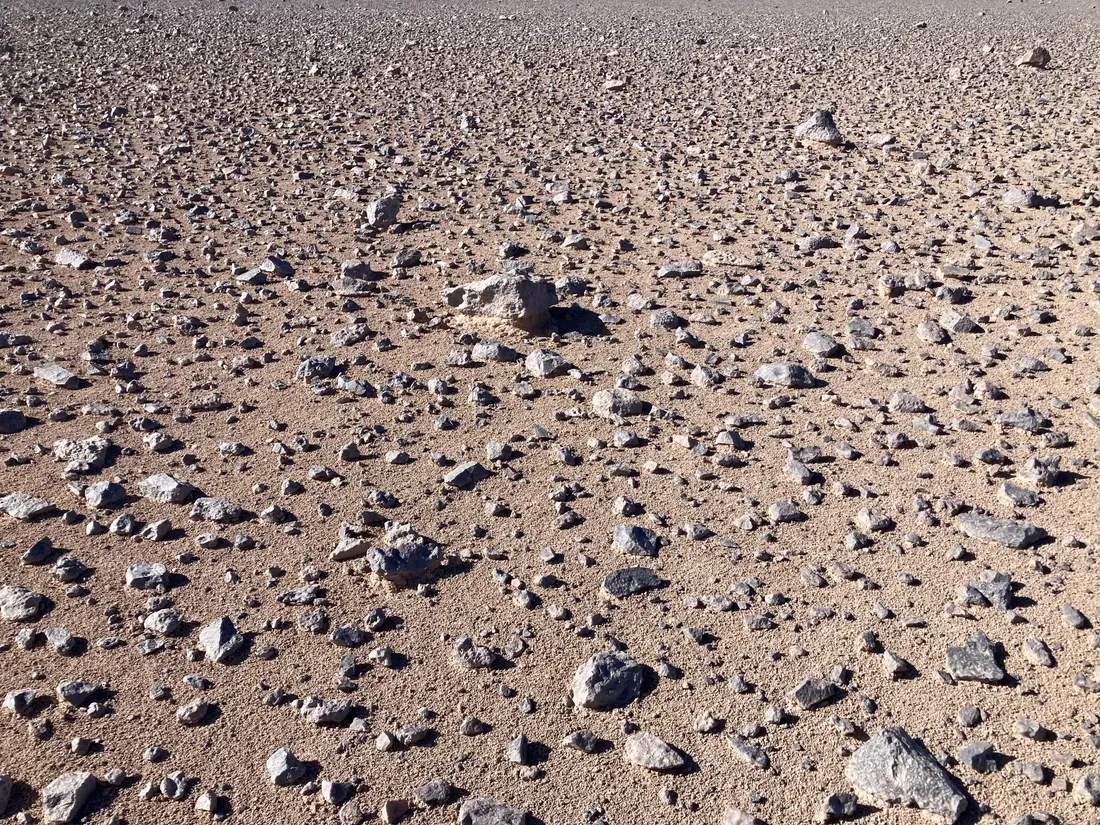
The hyperarid core of the Atacama Desert, Chile, at the North of Antofagasta (NOA) site.
Credit: Christopher E. Carr
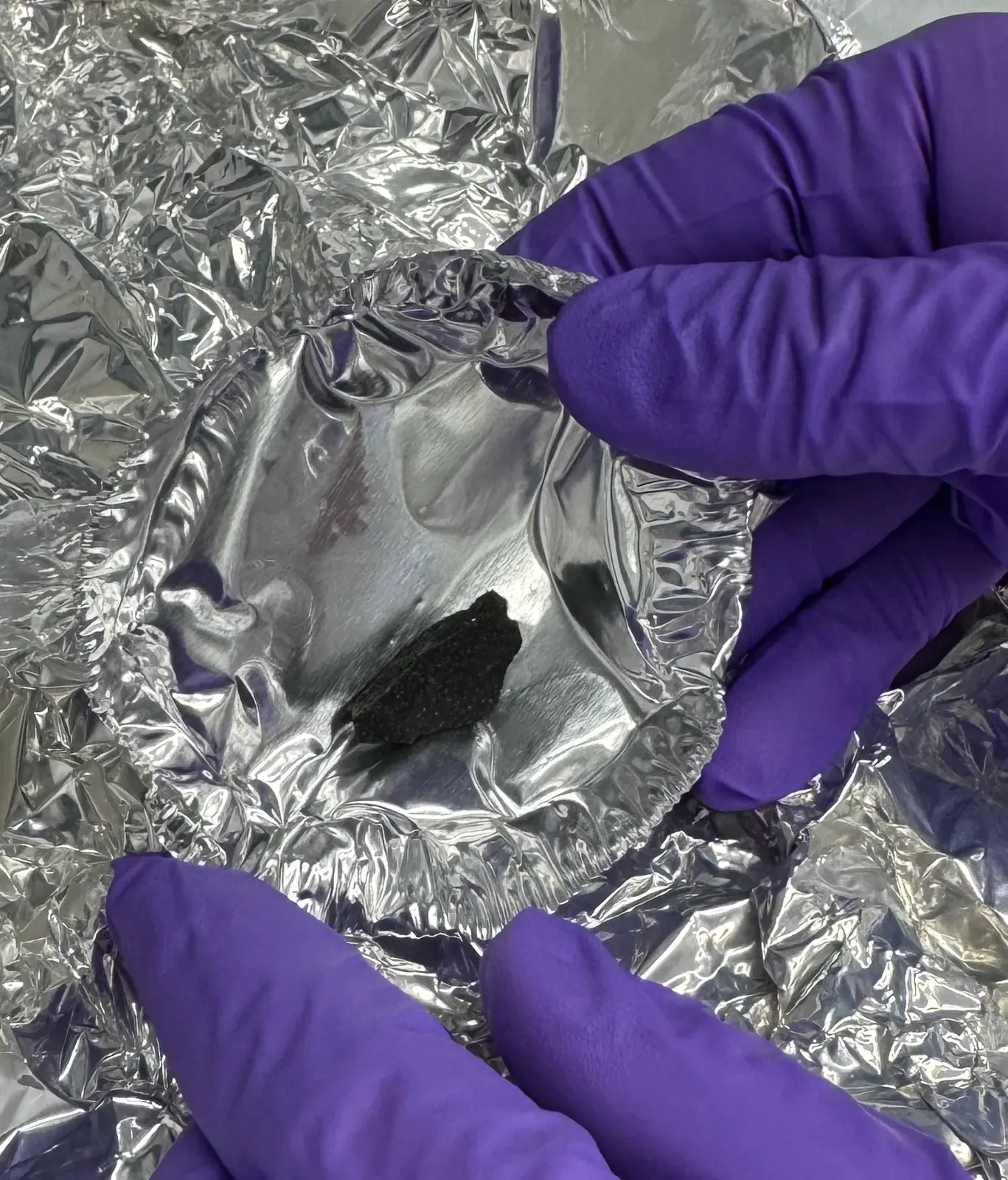
An interior chip of the Murchison meteorite about to be crushed and analyzed for amino acid content.
Credit: José L. Ramírez-Colón
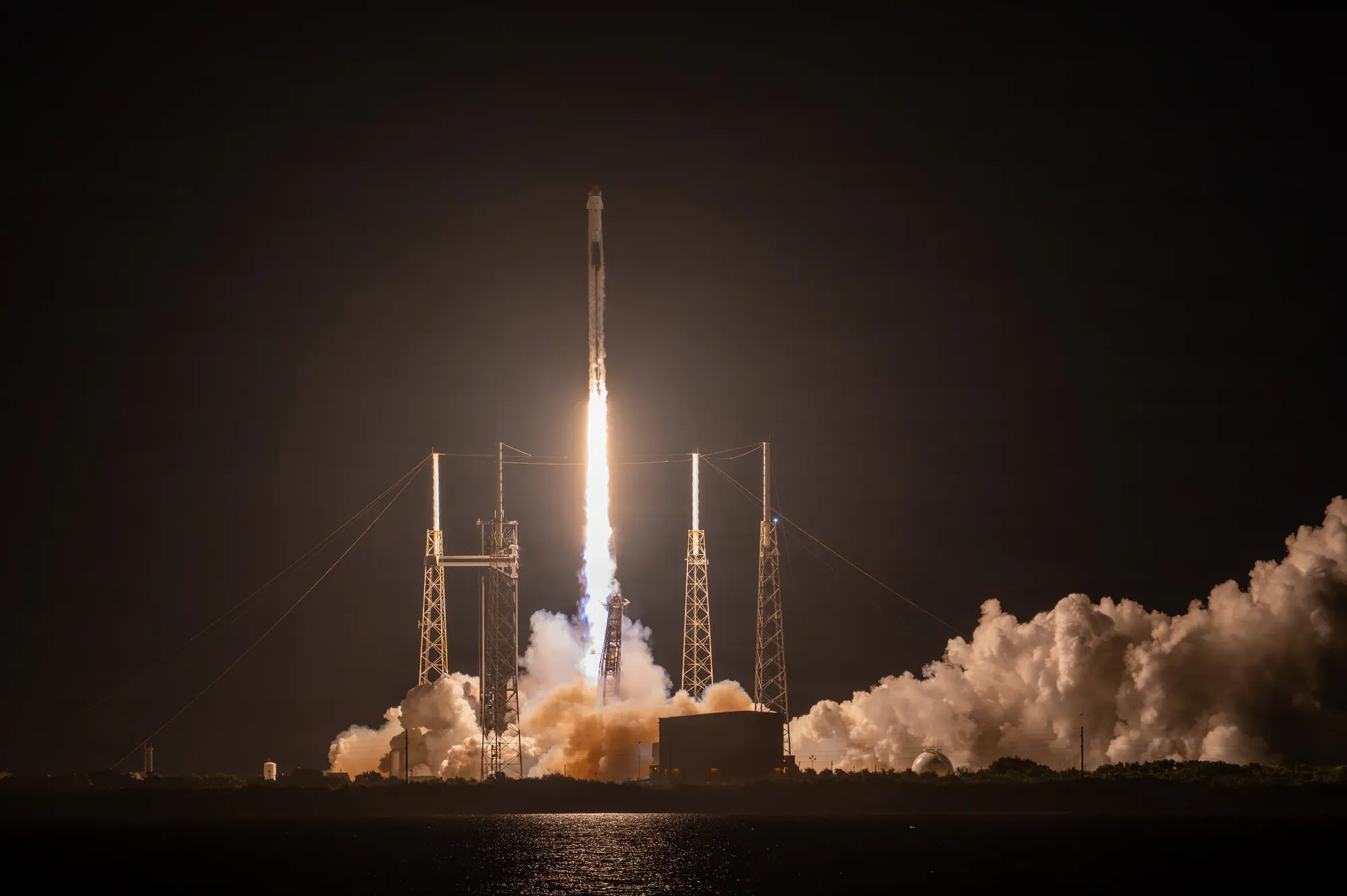
SpaceX CRS-35 launches at night from Cape Canaveral Space Force Station on October 13, 2026, carrying the final Genomic Enumeration of Antibiotic Resistance in Space (GEARS) flight experiment to the International Space Station.
Credit: U.S. Space Force photo by Airman 1st Class Daryn Grace Hancock
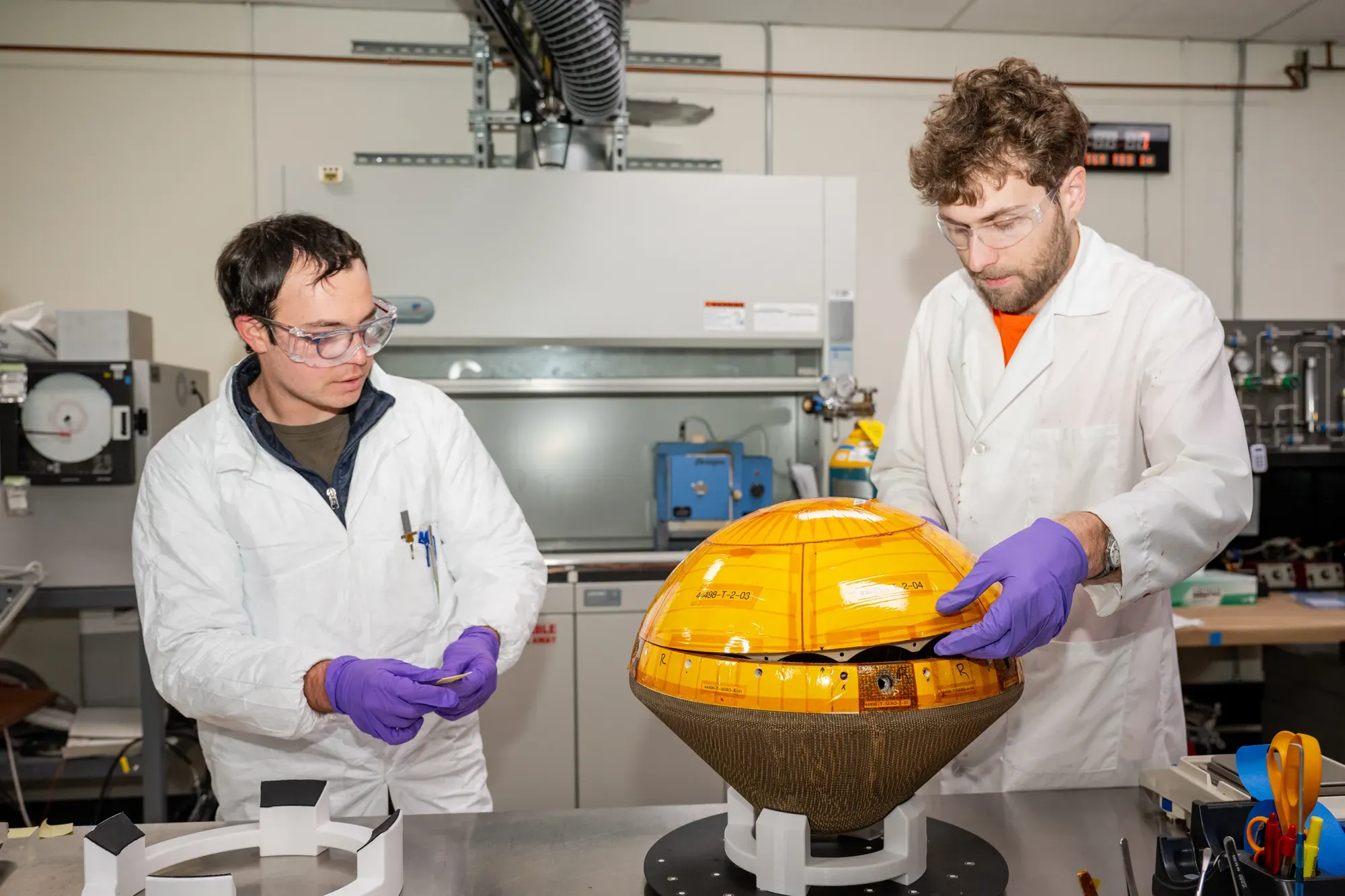
Engineers at NASA's Ames Research Center fit-check the two halves of the heat shield for the Rocket Lab Mission to Venus probe.
Credit: NASA/Brandon Torres Navarrete
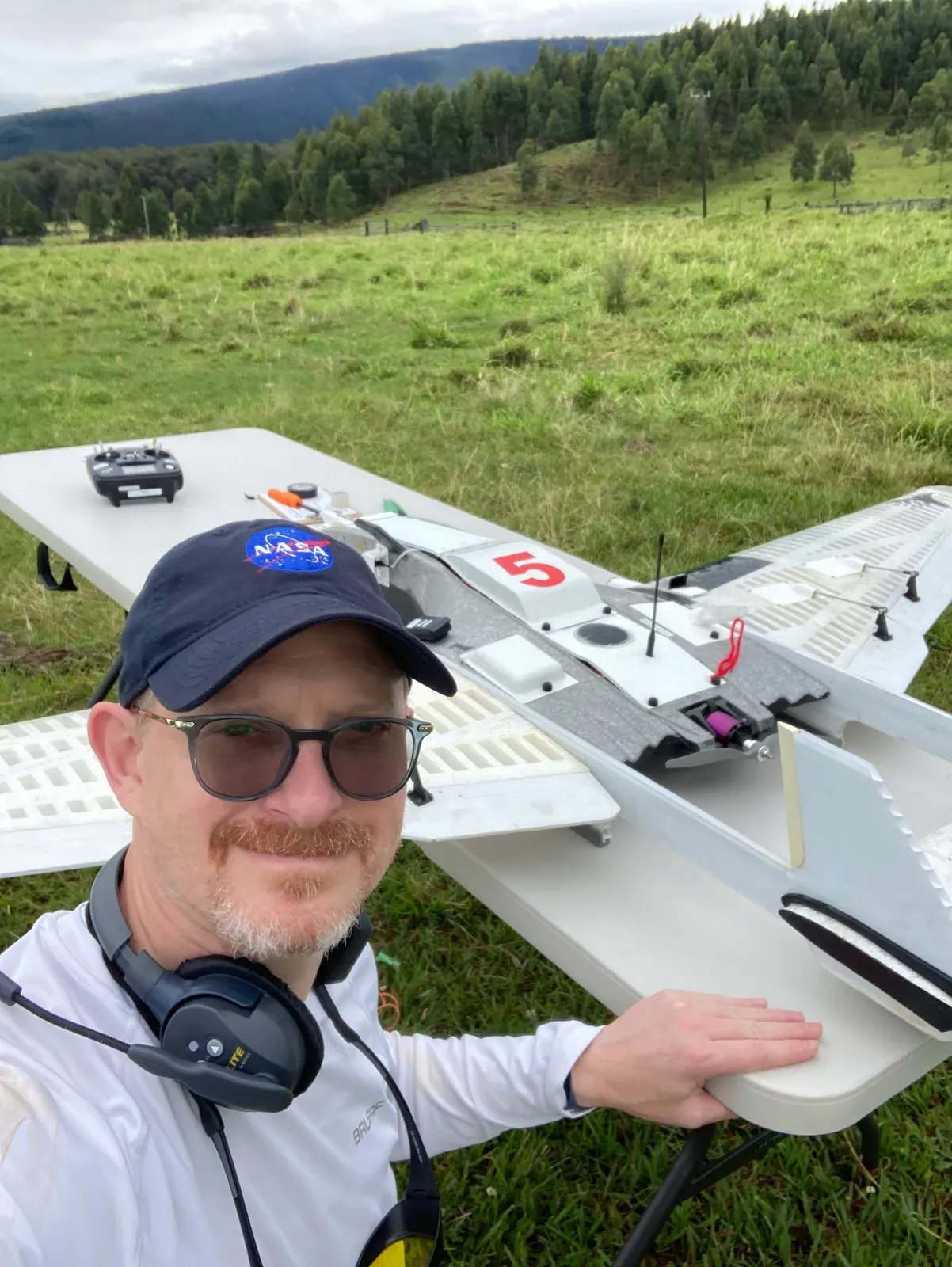
Christopher E. Carr and the RAAVEN drone at Kapāpala Ranch, Hawaii, preparing for a flight test of the Autofluorescence Nephelometer (AFN), the primary science instrument for the Rocket Lab Mission to Venus. March 19, 2025.
Credit: Christopher E. Carr
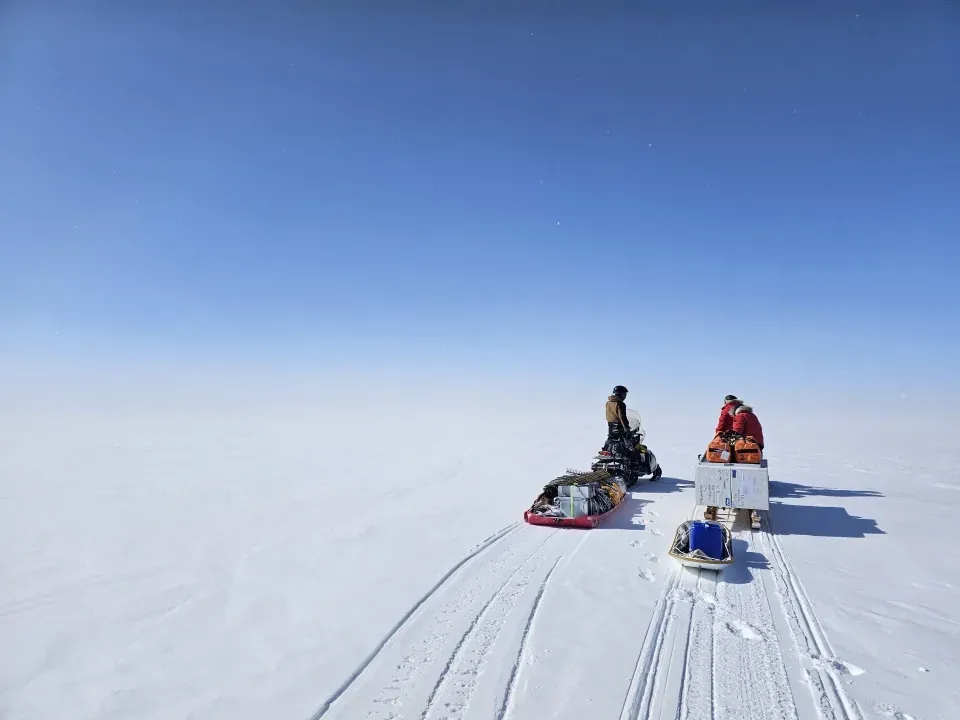
Snowmobiling to a remote site near Summit Station, Greenland, during a project to collect an ice core and characterize gas anomalies and microbes entombed within the ice.
Credit: Rachel Moore
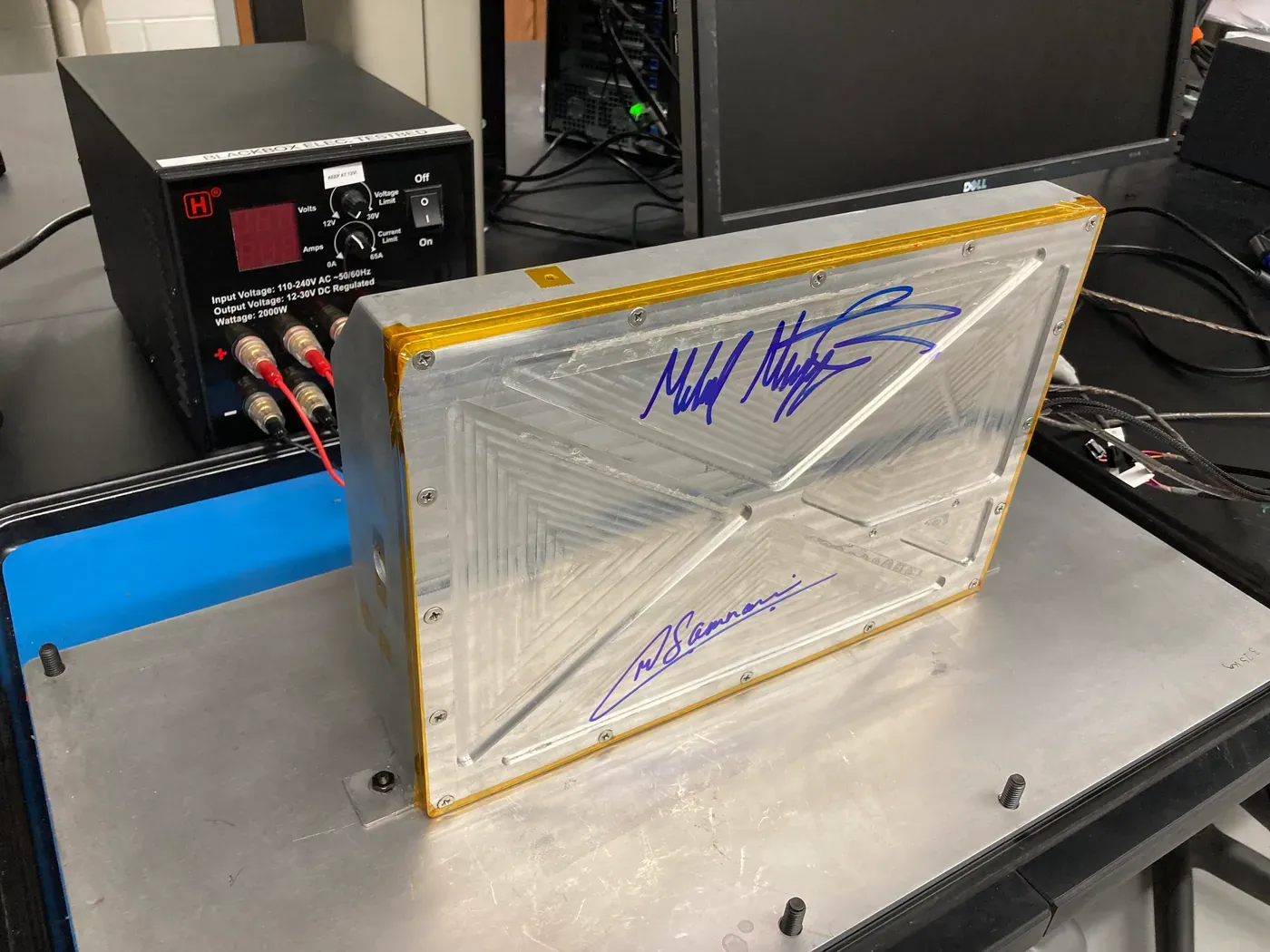
The BioX2 payload after it was returned to us following its flight. BioX2 carried an NVIDIA Jetson AGX, and our embedded payload used its graphics processing unit (GPU) for computing in space, including nanopore basecalling and genome assembly.
Credit: Christopher E. Carr
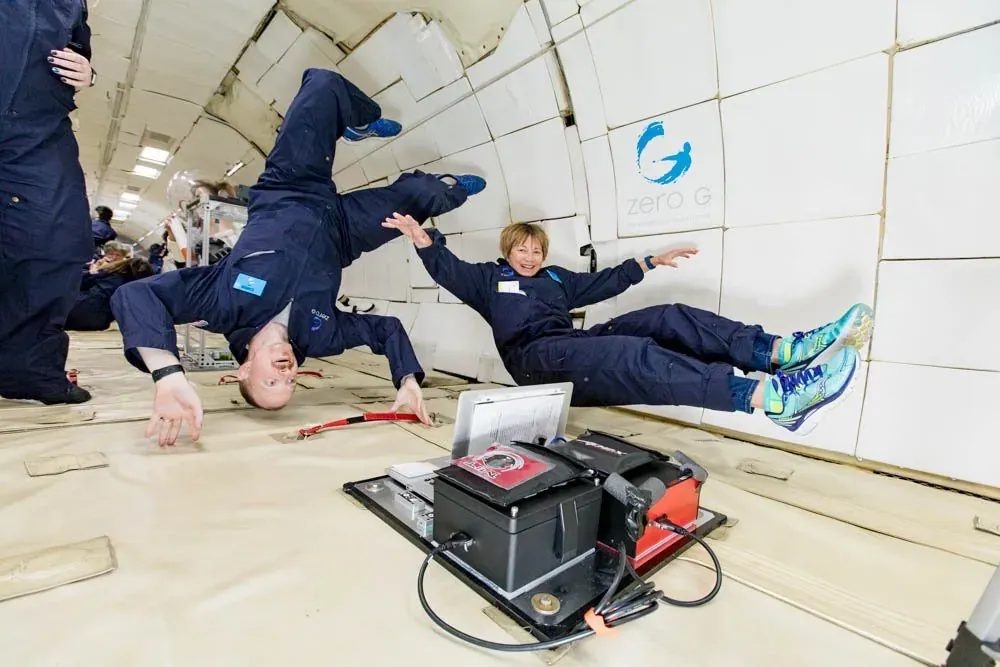
Christopher E. Carr and Maria T. Zuber experience weightlessness during a parabolic flight while testing a nanogap instrument prototype for the Electronic Life-detection Instrument for Enceladus/Europa (ELIE).
Credit: Steve Boxall, Zero Gravity Corporation
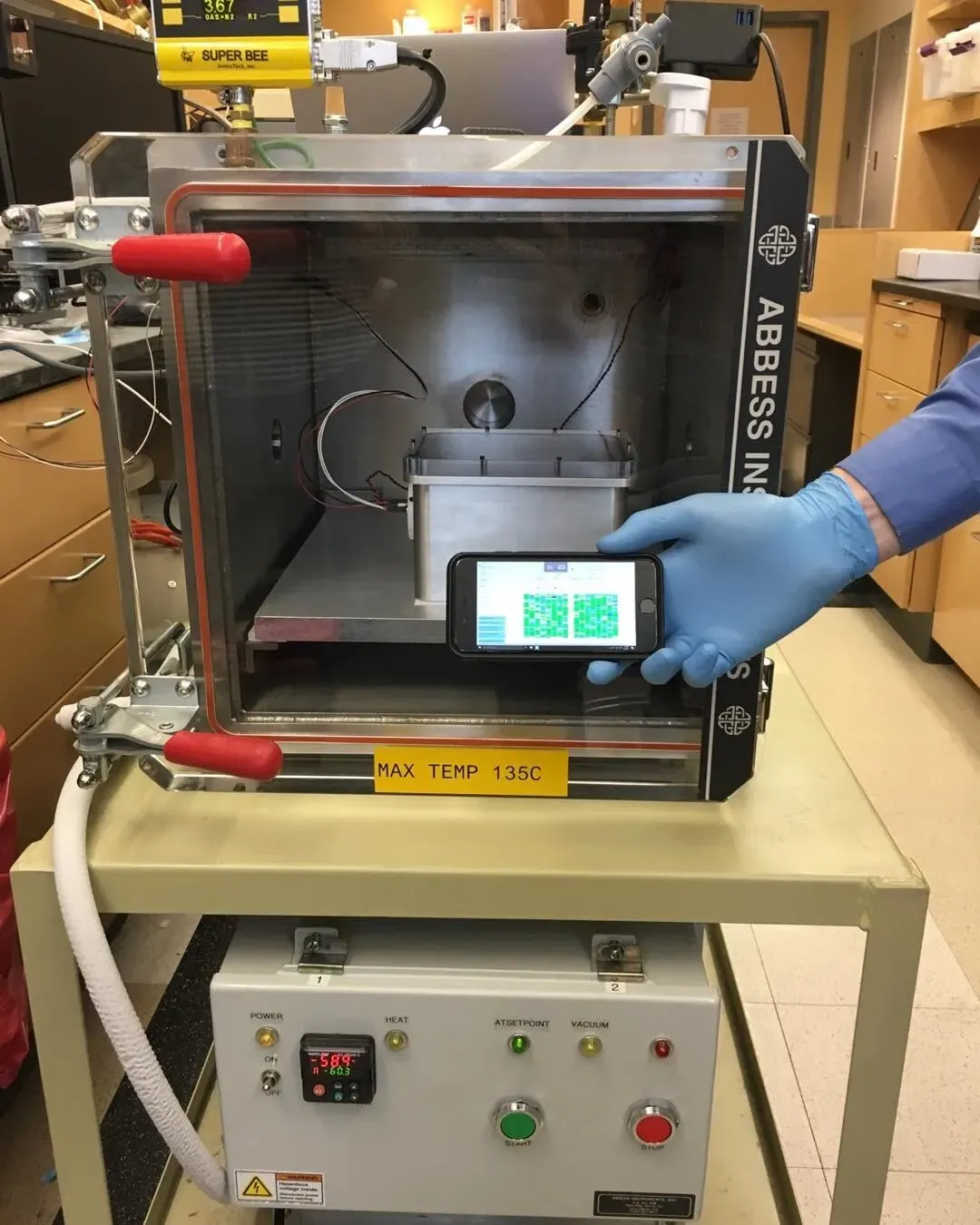
First successful hardware and sequencing test in our Mars thermal vacuum chamber, April 5, 2017.
Credit: Christopher E. Carr
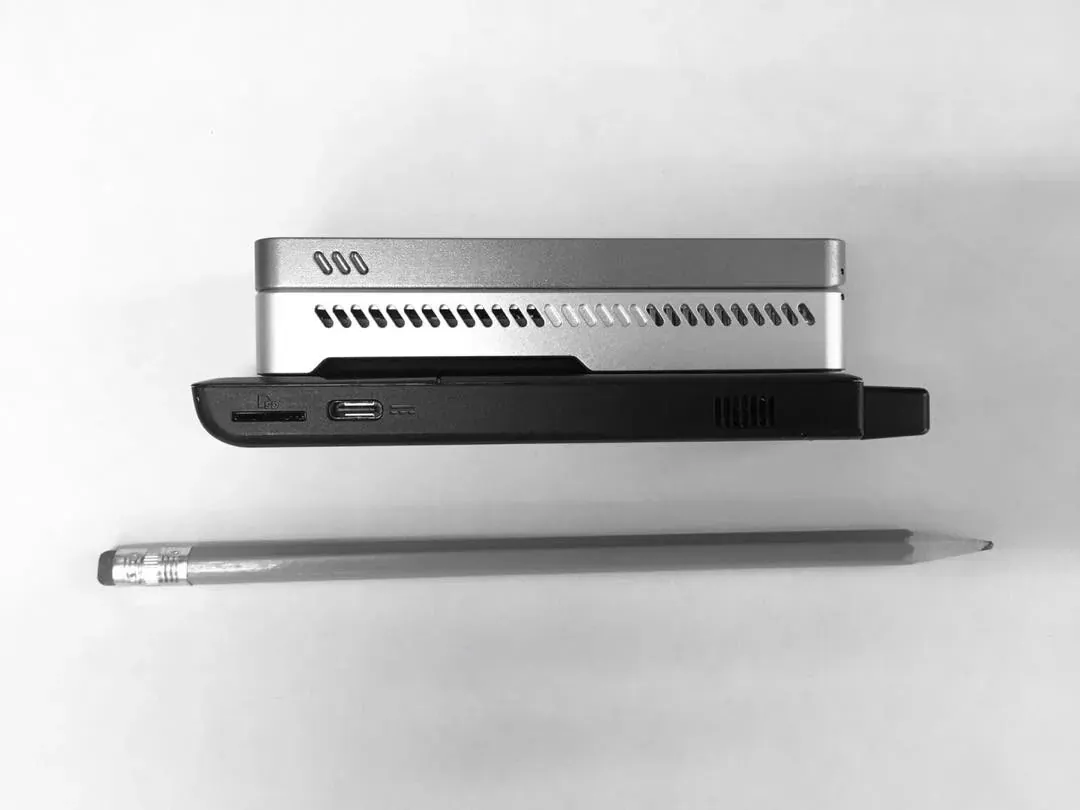
Portable single-molecule DNA sequencing, fall 2016. A nanopore MinION sequencer (top) and an Intel Compute Stick, controlled from a smartphone.
Credit: Christopher E. Carr
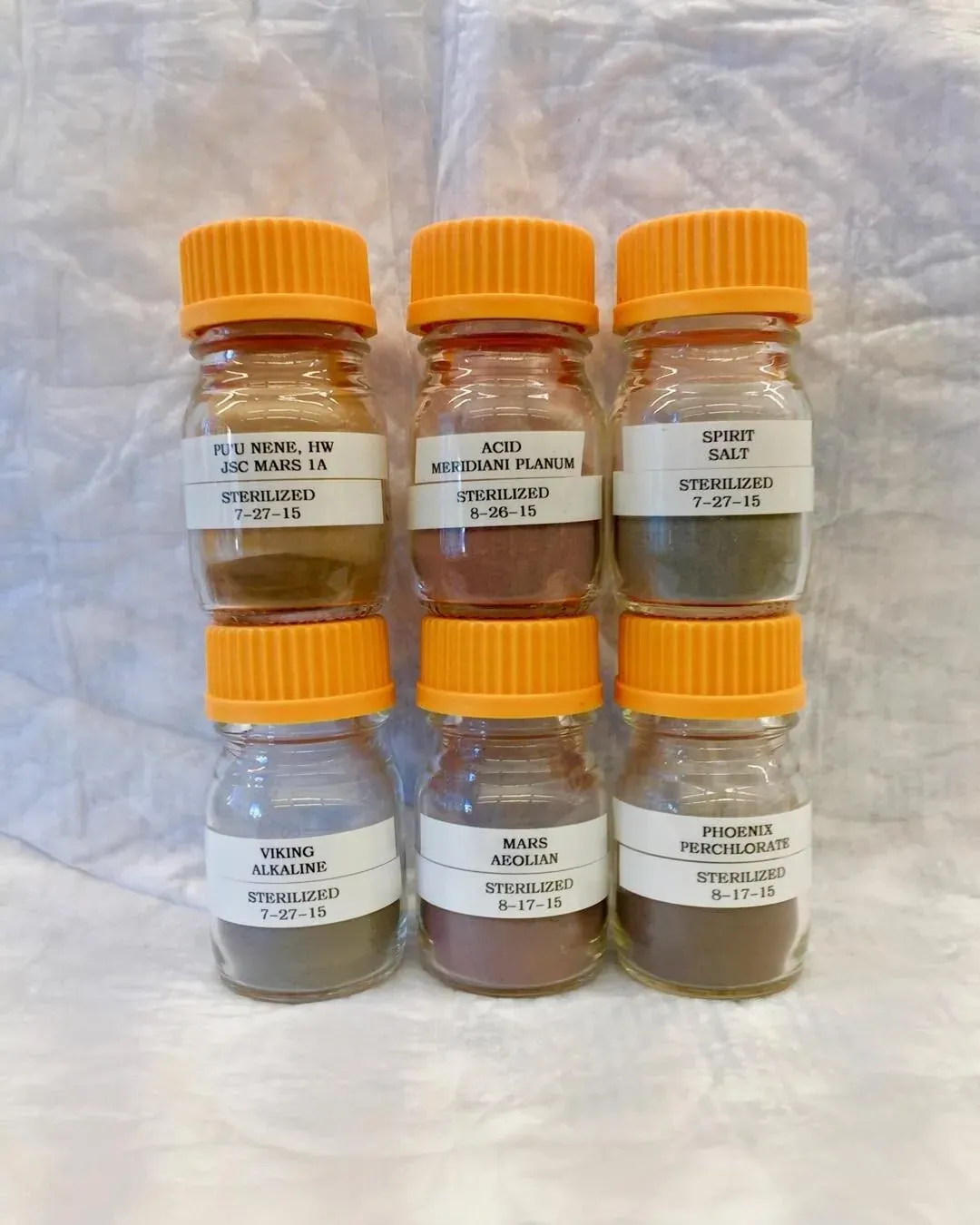
Shades of Mars. Synthetic samples that mimic different regions of Mars, made by Angel Mojarro and used to validate life detection protocols for the Search for Extra-Terrestrial Genomes (SETG).
Credit: Christopher E. Carr
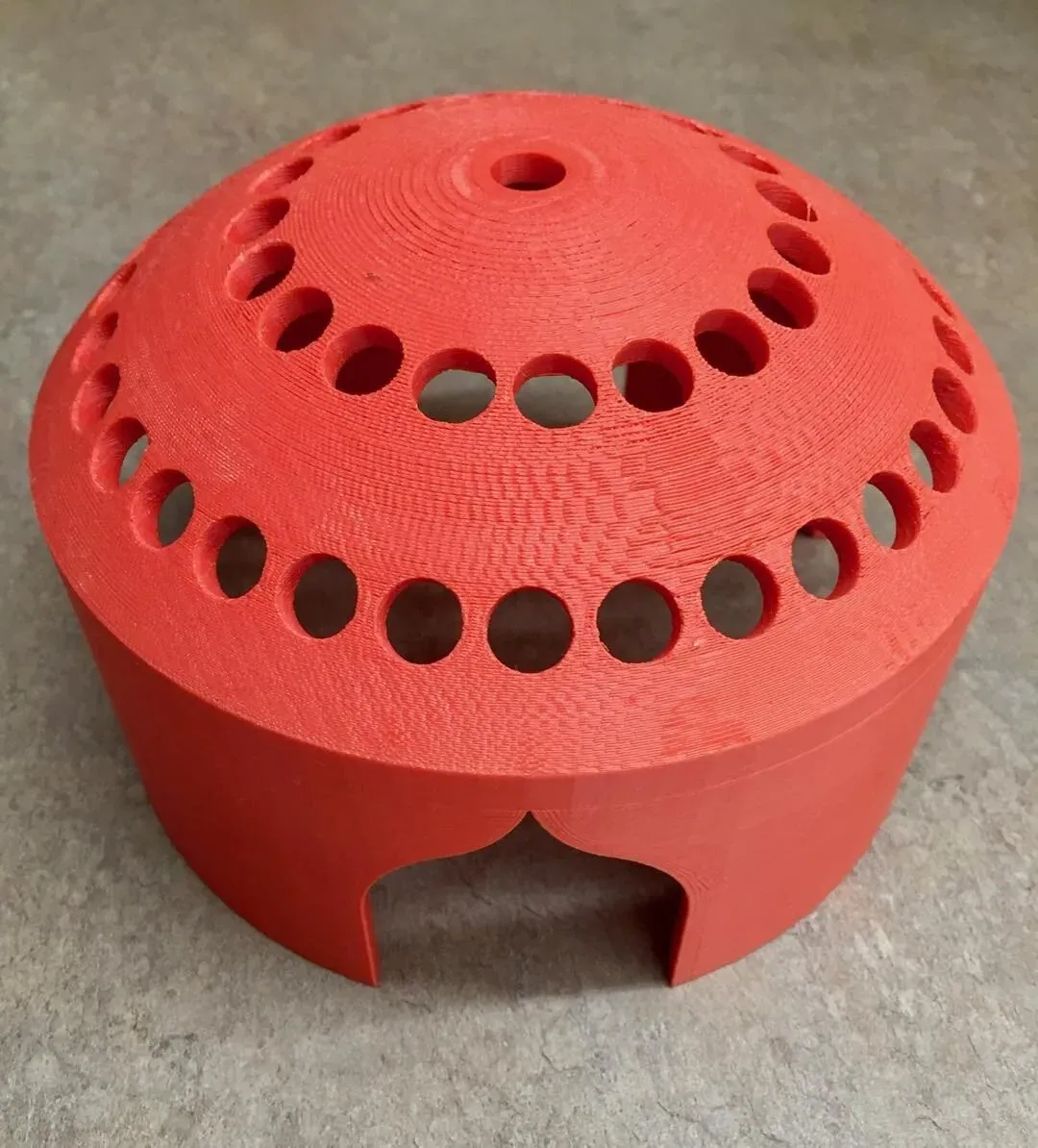
Sample holder for exposing biological reagents to neutron radiation from a californium source, to test whether they could survive the trip to Mars in a future life detection instrument.
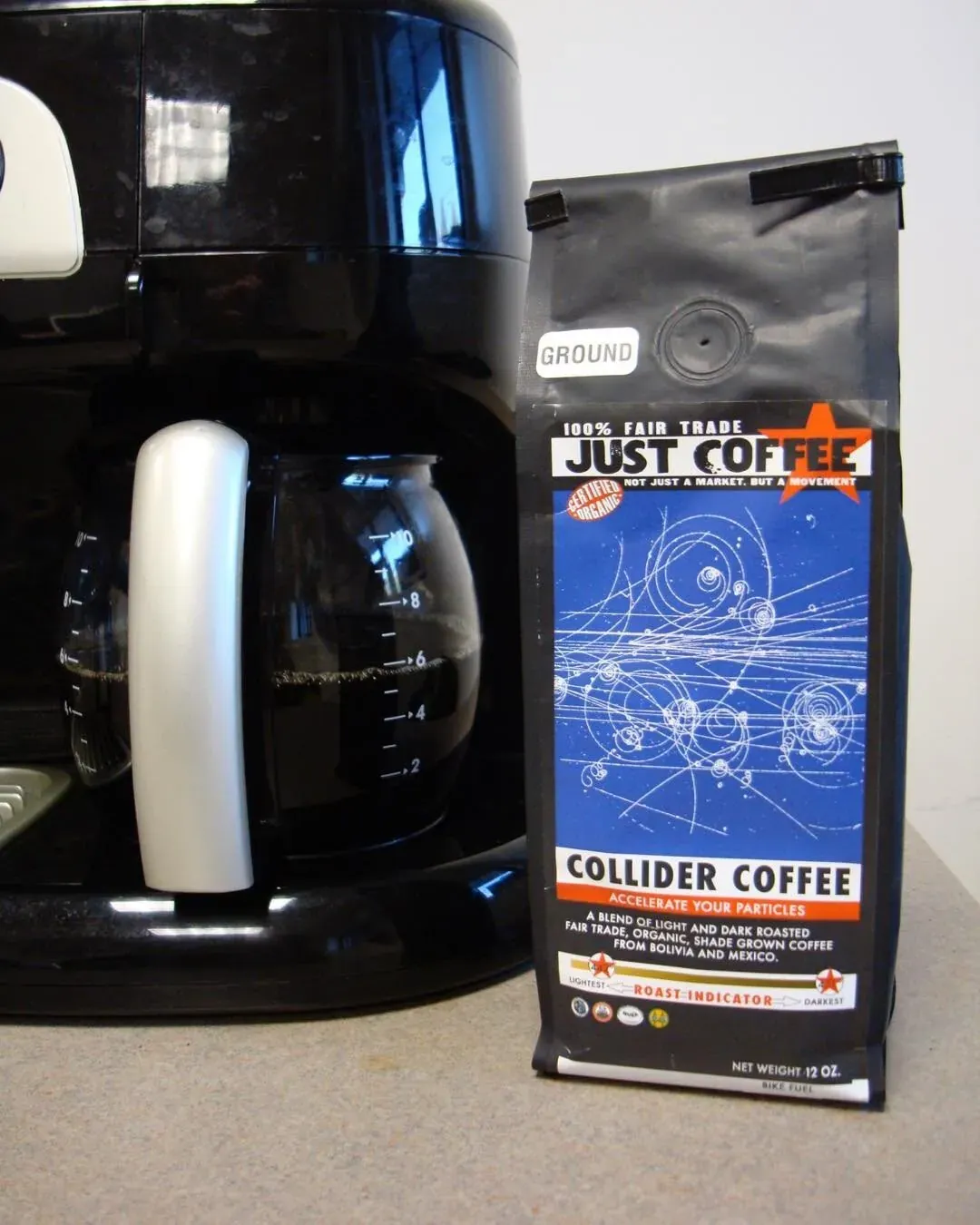
What scientists and engineers drink when they need to accelerate their particles. At the NASA Space Radiation Laboratory, Brookhaven, New York.
Credit: Christopher E. Carr
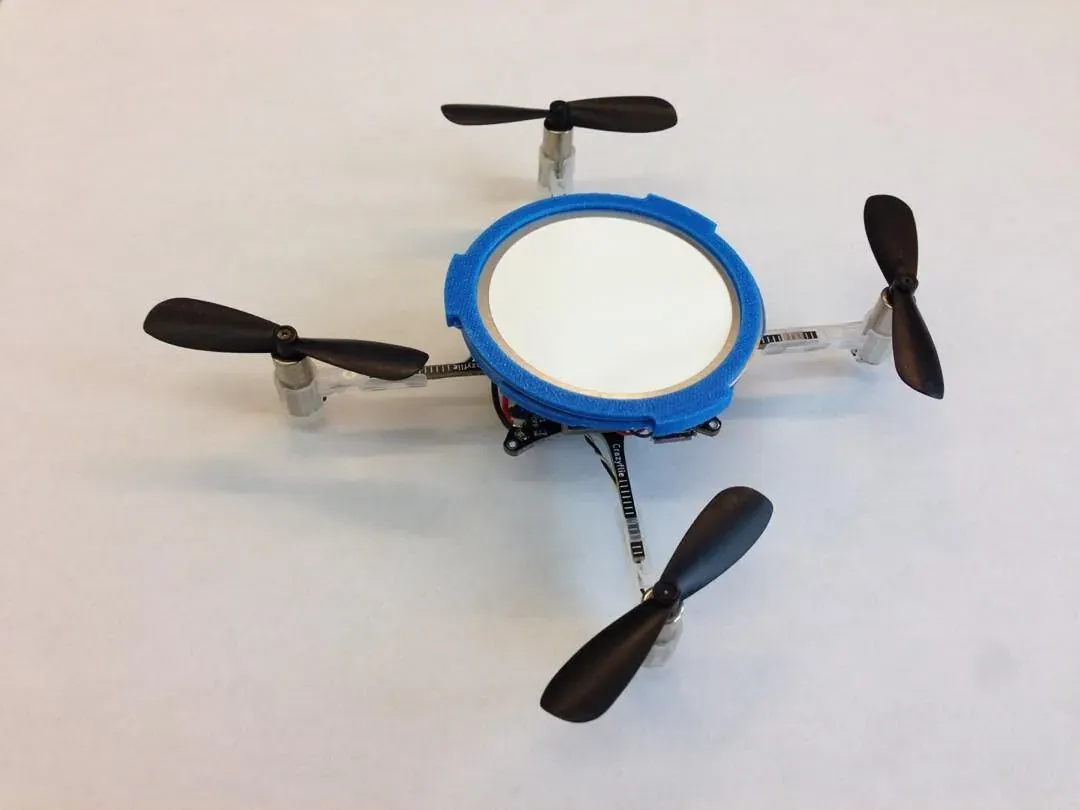
A prototype bioaerosol collection drone, about 30 g. Impractical, but it made us think through the engineering challenges.
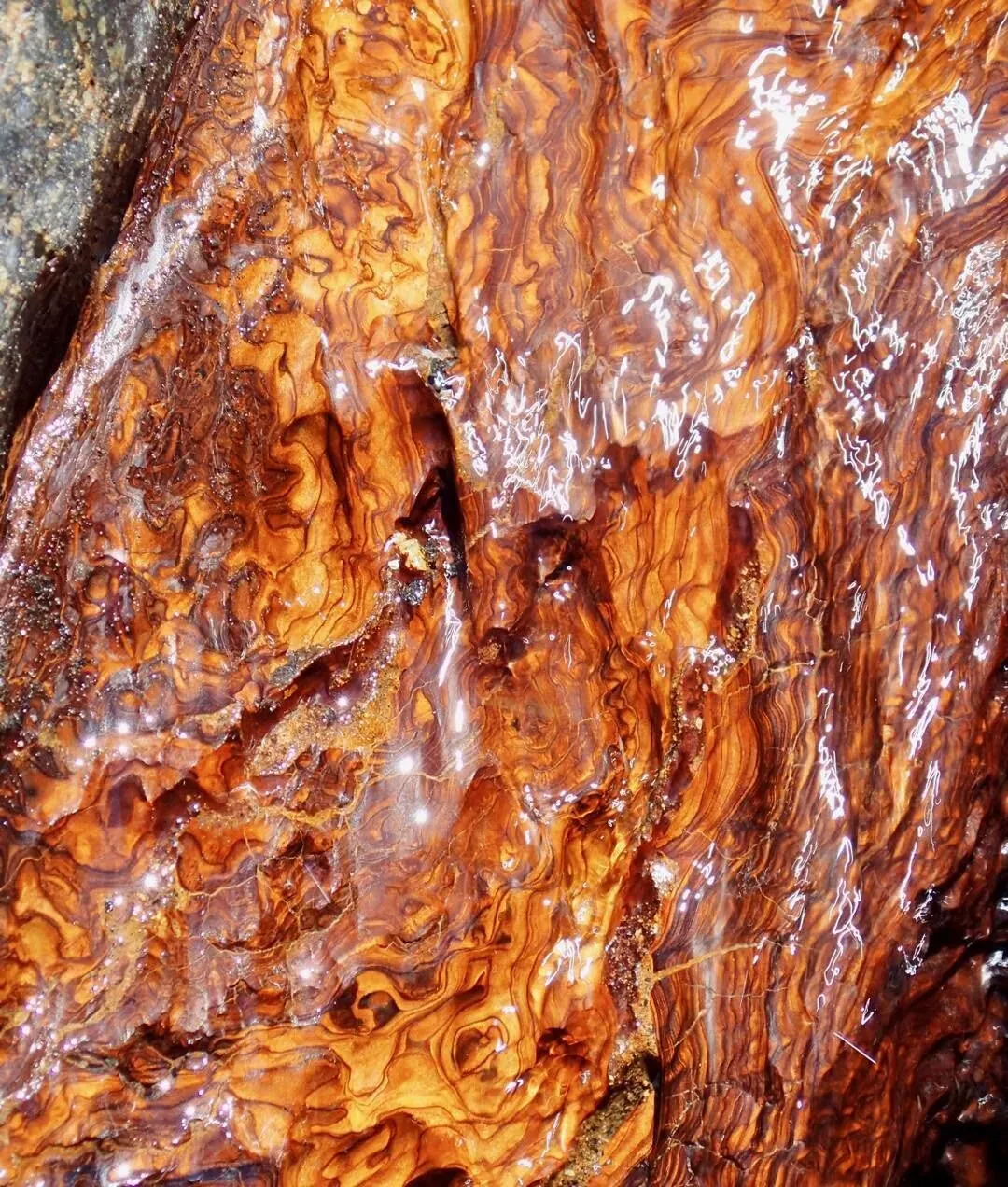
Iron mineralization in an acidic stream on the flank of Volcán Copahue, Andes Mountains.
Credit: Christopher E. Carr
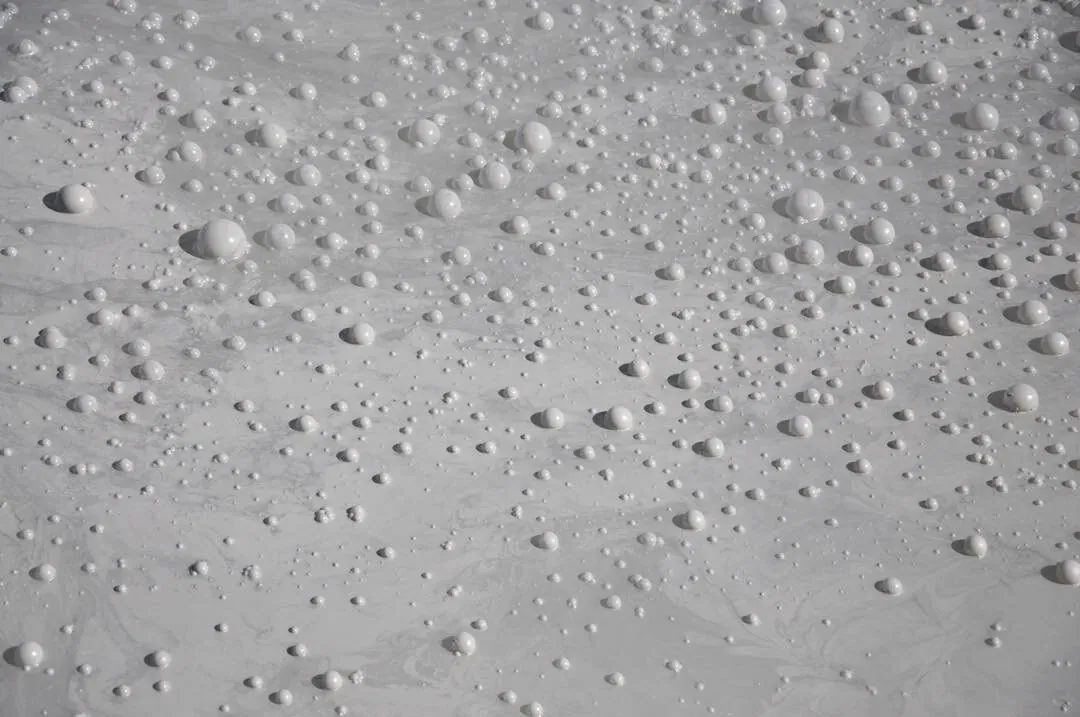
Bubbling mud at the hot springs of Volcán Copahue, Argentina, a terrestrial analog of ancient Mars.
Credit: Christopher E. Carr
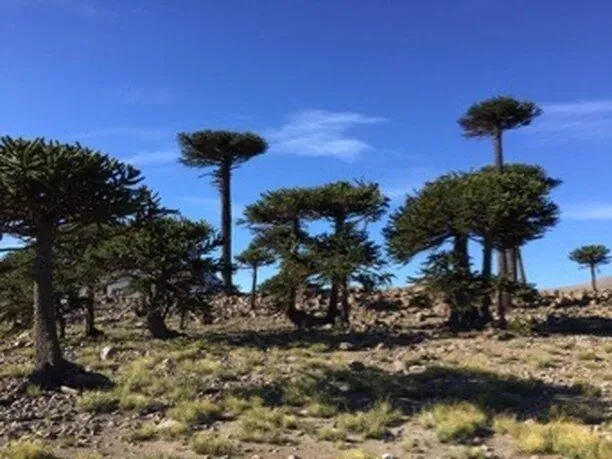
Araucaria araucana trees near Volcán Copahue, Argentina. These living fossils from the Mesozoic may once have fed sauropod dinosaurs with their thumb-sized pine nuts.
Credit: Christopher E. Carr
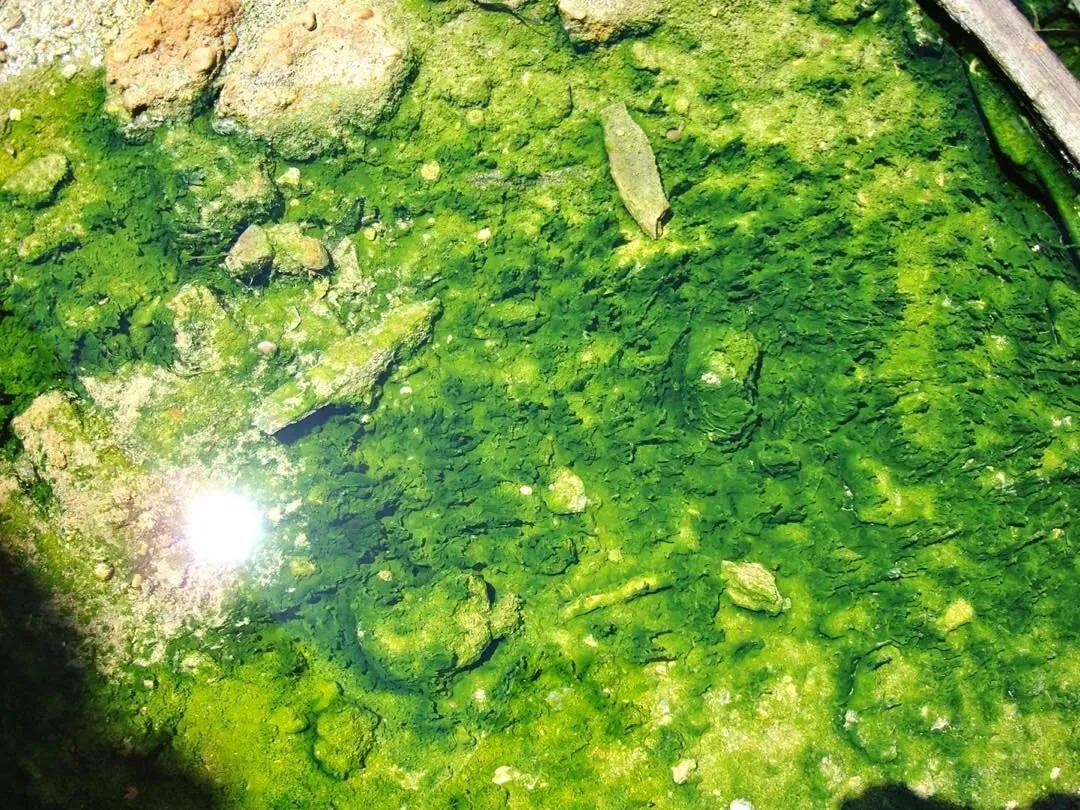
Acid rock drainage at Rio Tinto, Spain, full of extremophile microbes.
Credit: Christopher E. Carr
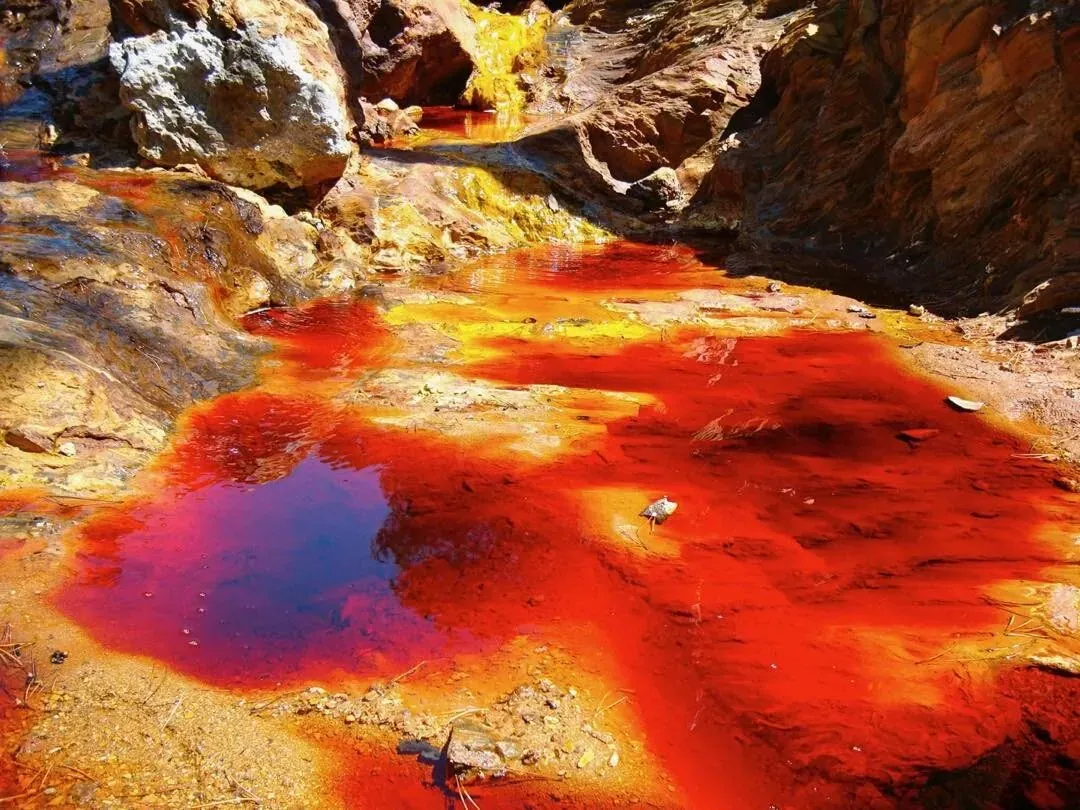
Acid rock drainage at Rio Tinto, Spain, colored by dissolved iron.
Credit: Christopher E. Carr
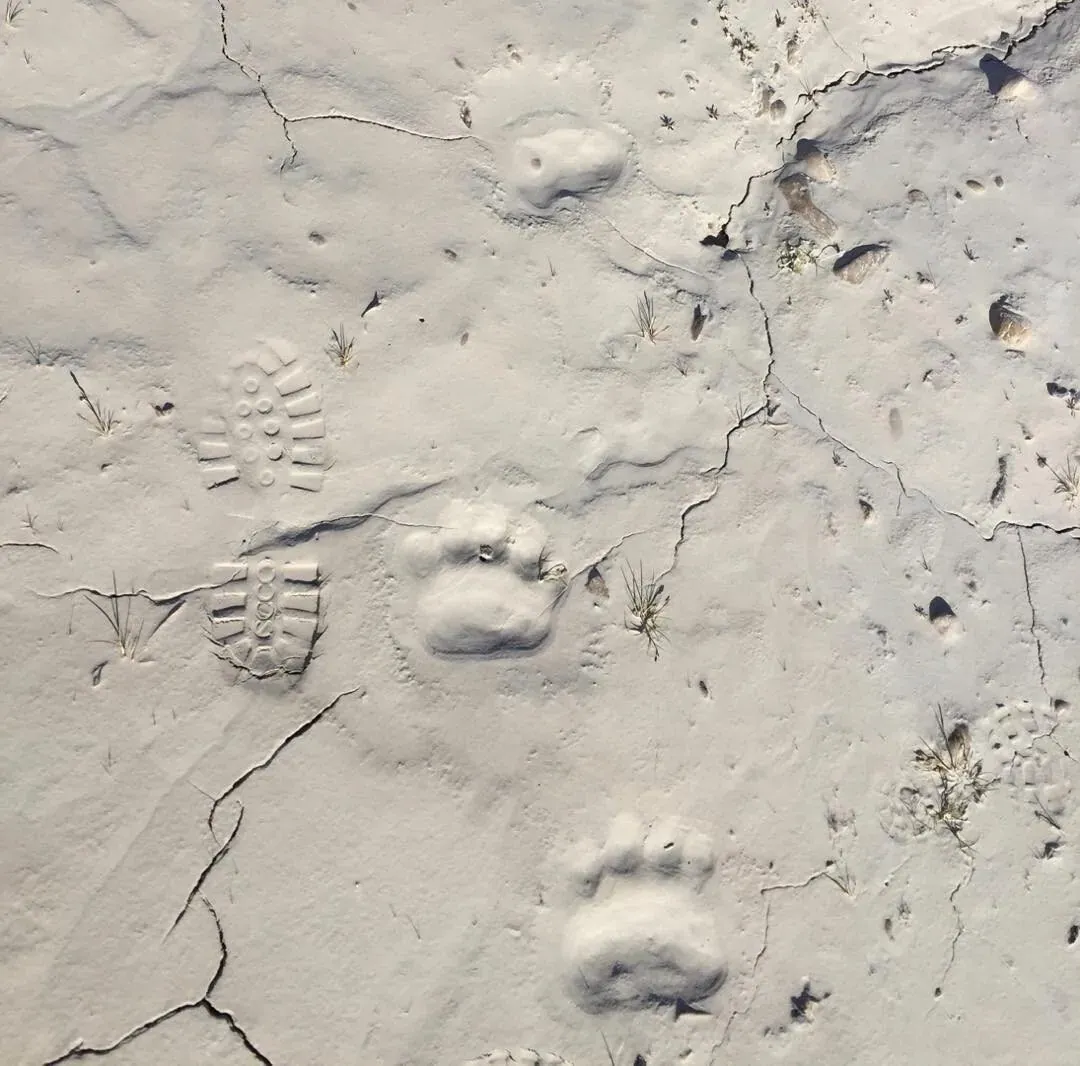
Polar bear encounter, in space but not time, on the largest uninhabited island in the world. Haughton Impact Structure, Devon Island, Nunavut, Canadian High Arctic.
Credit: Christopher E. Carr
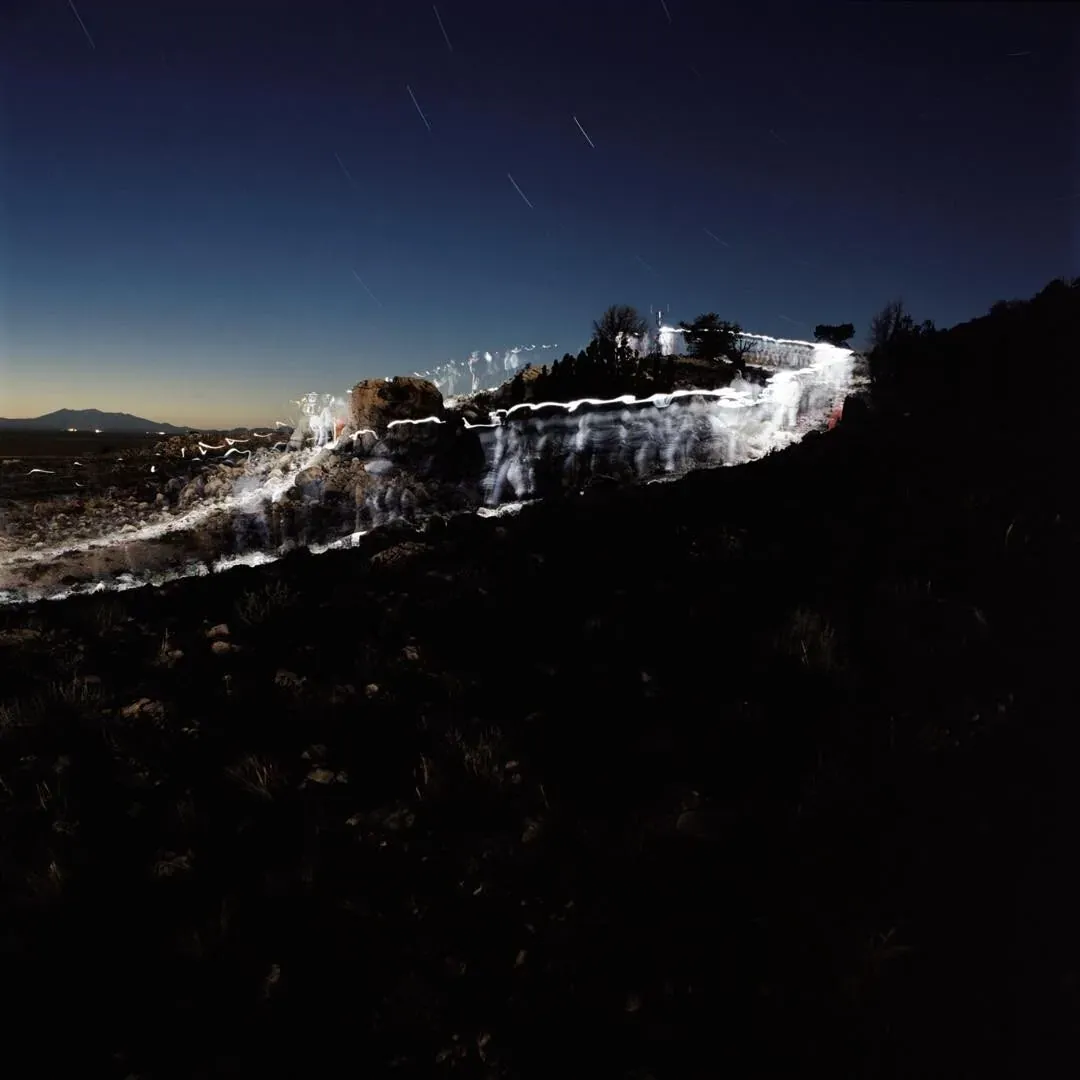
Advanced space suit testing with NASA's Desert Research and Technology Studies (Desert RATS) at Meteor Crater, Arizona, 2003.
Credit: Mark Sowa
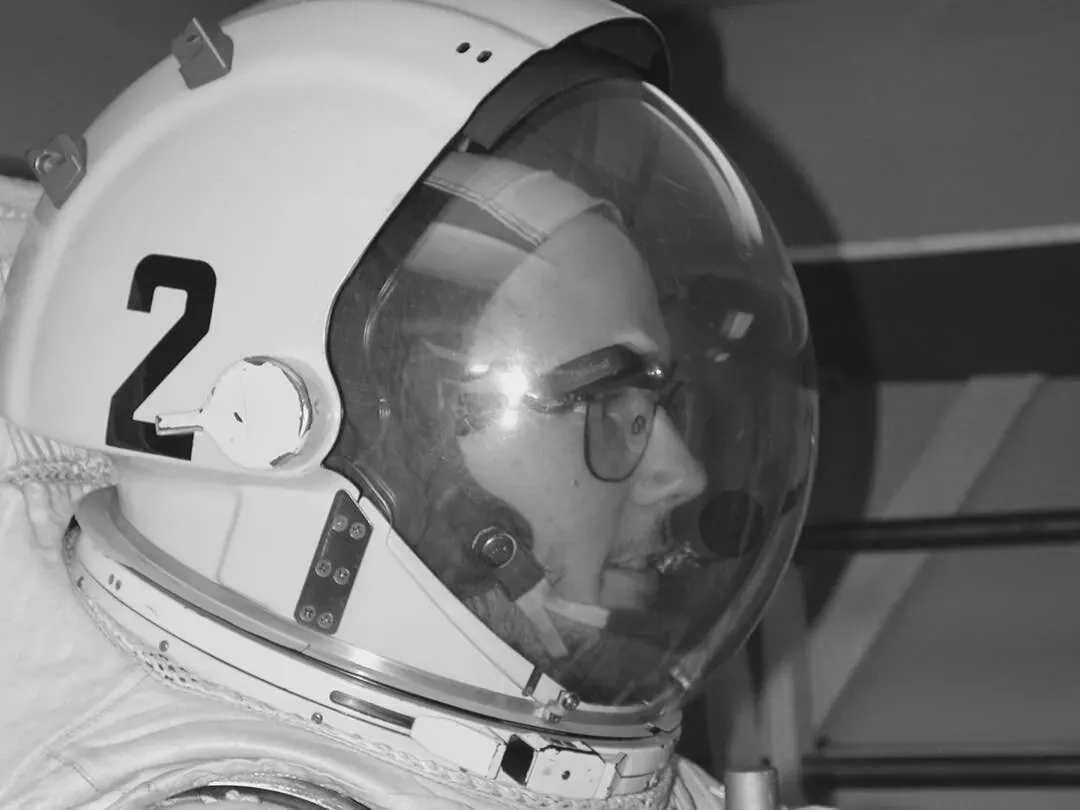
Our version of Google Glass, about 2002, developed with the MIT Media Lab, Boeing, and Hamilton Sundstrand to support astronauts during spacewalks.
Credit: Christopher E. Carr
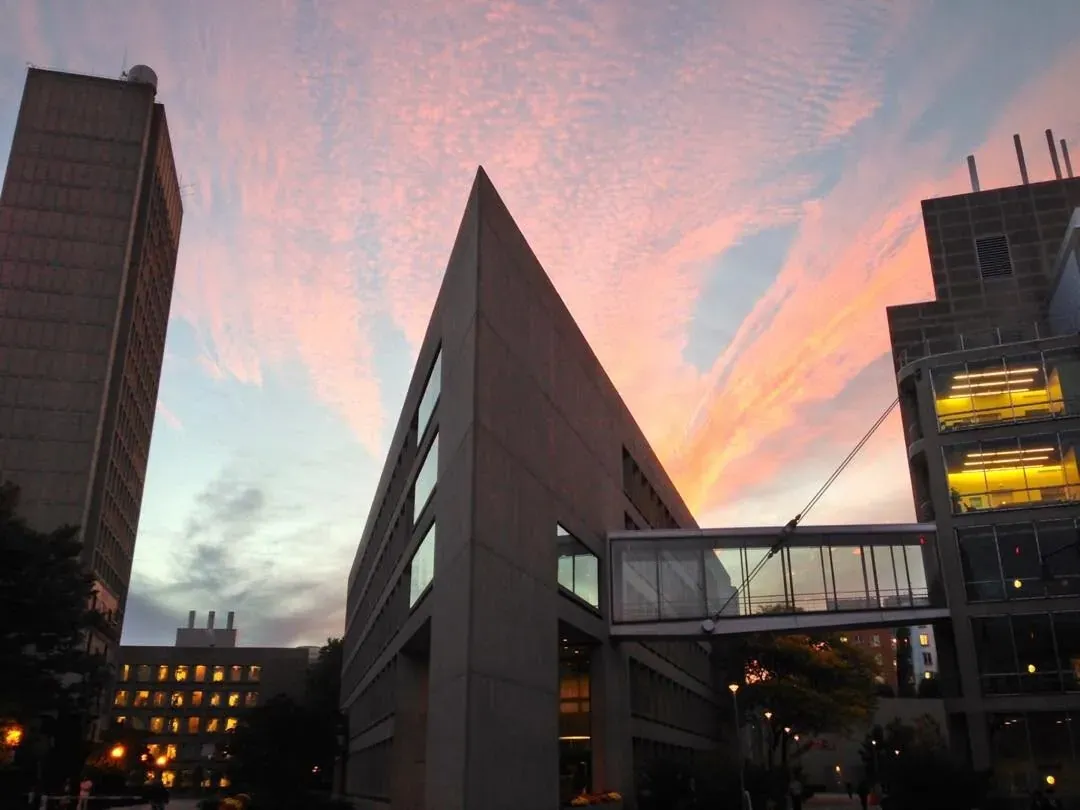
Massachusetts Institute of Technology, Cambridge, Massachusetts. Prof. Carr's former office is on the left.