 Planetary eXploration Lab
Esta página aún no está disponible en español. Se muestra en inglés.

Planetary eXploration Lab
Seeking and supporting life beyond Earth while enabling a sustainable human future.
We work at the intersection of aerospace and biology, combining additive manufacturing, microfluidics, microbiology, genomics, machine learning, and more to develop instruments, carry out lab studies and fieldwork, and fly experiments that seek life and understand its limits, from microbes to humans.
What we do
Instrumentation
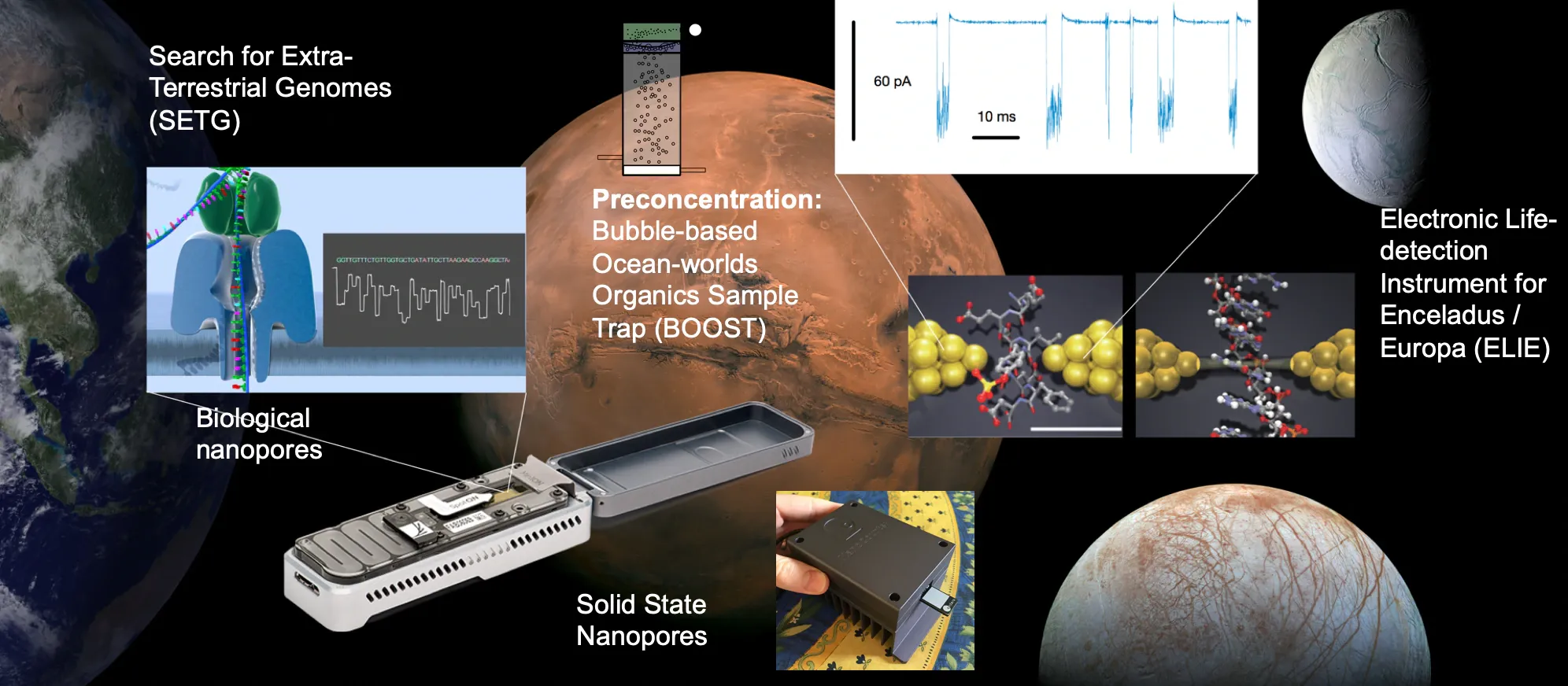
Sensitive, specific, and agnostic methods for life detection, with a focus on single-molecule detection.
Flight projects
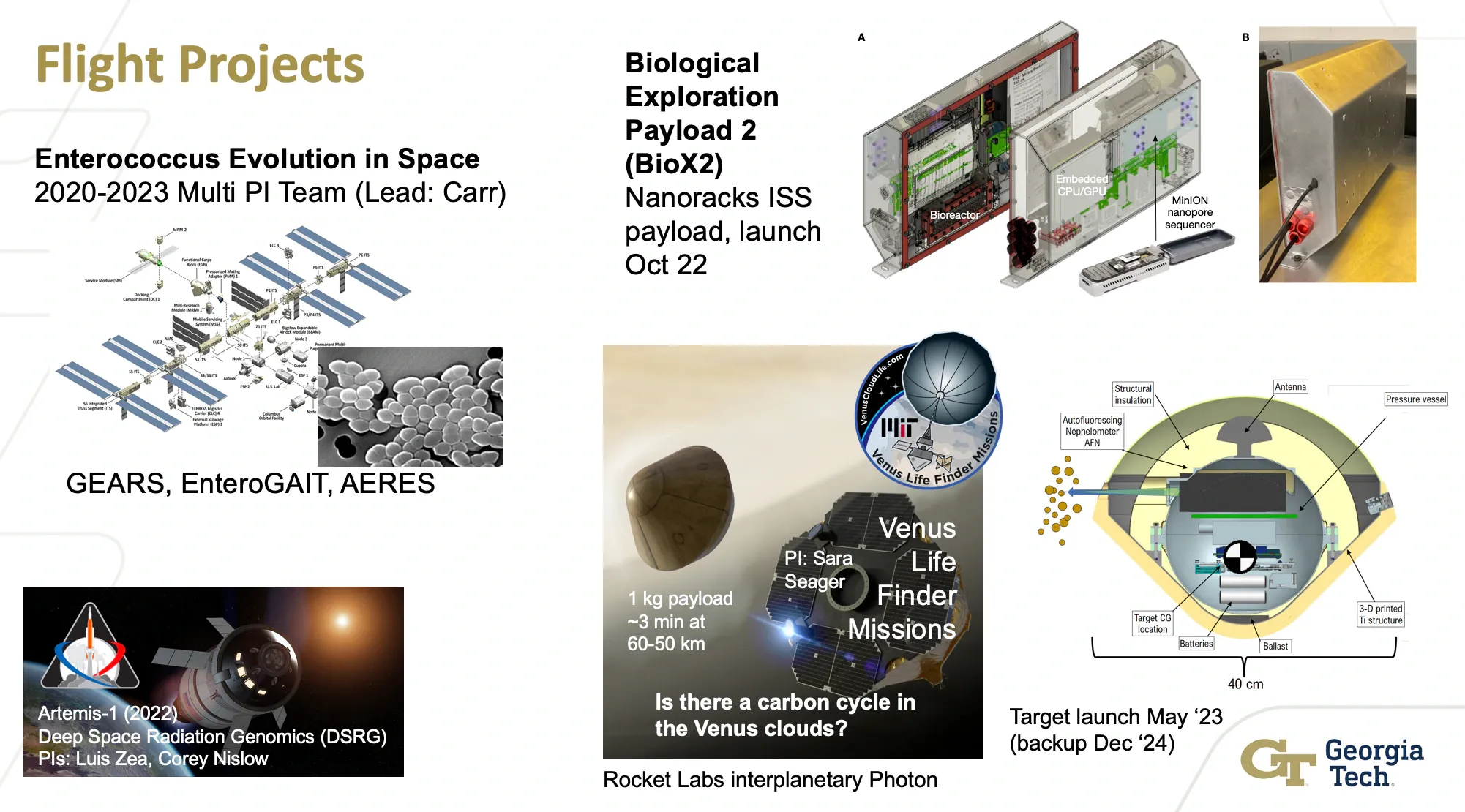
Payloads and experiments for the International Space Station, a mission to Venus, and more.
Fieldwork
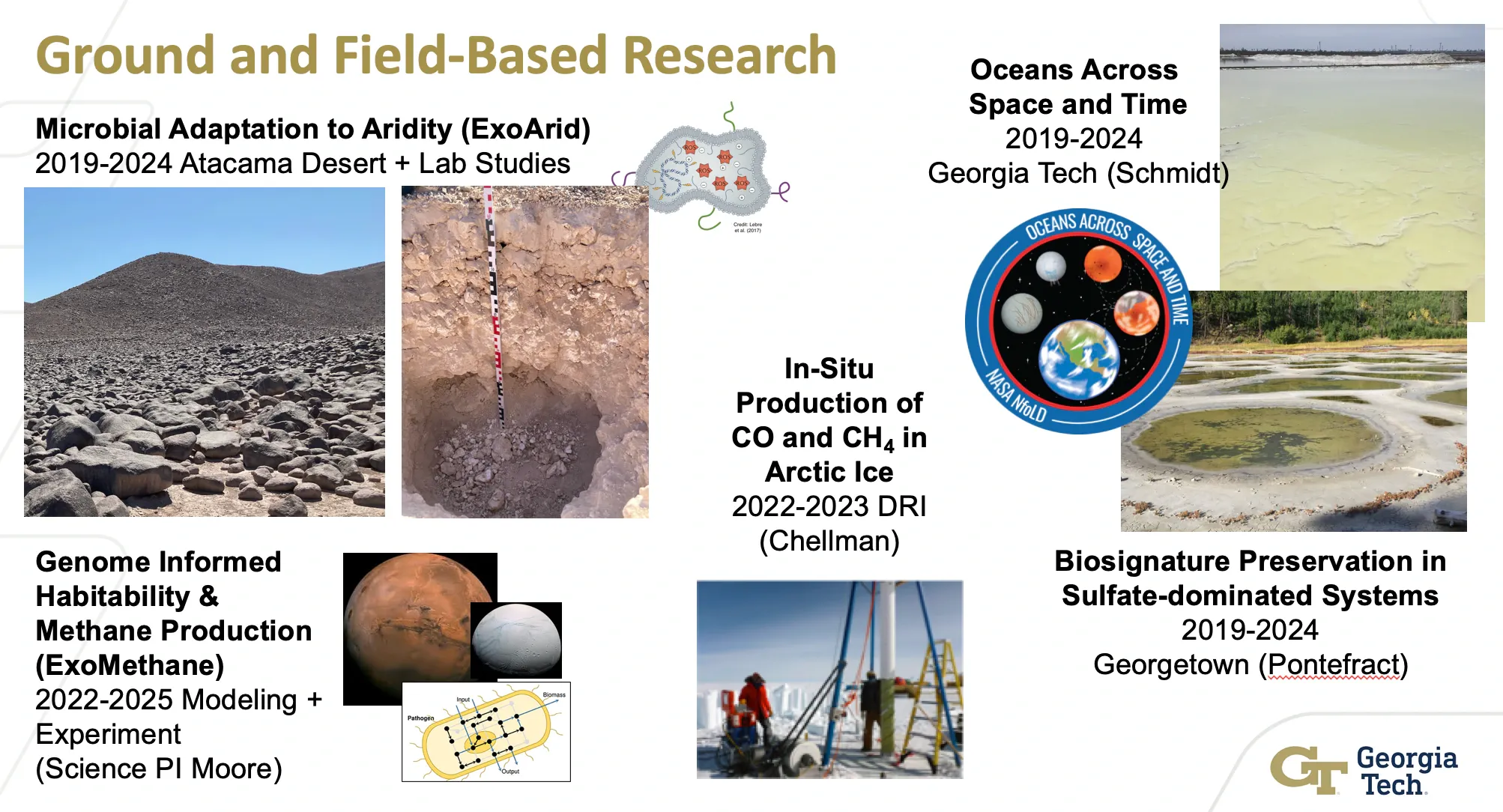
Lab studies and fieldwork at terrestrial analogs of Mars and ocean worlds.
Active projects
Active
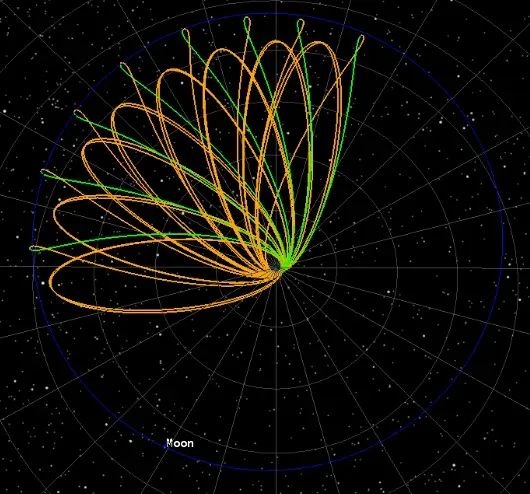
BEACON
A cislunar mission concept to measure deep space radiation and its effects on microbial evolution while demonstrating autonomous optical navigation.
Active
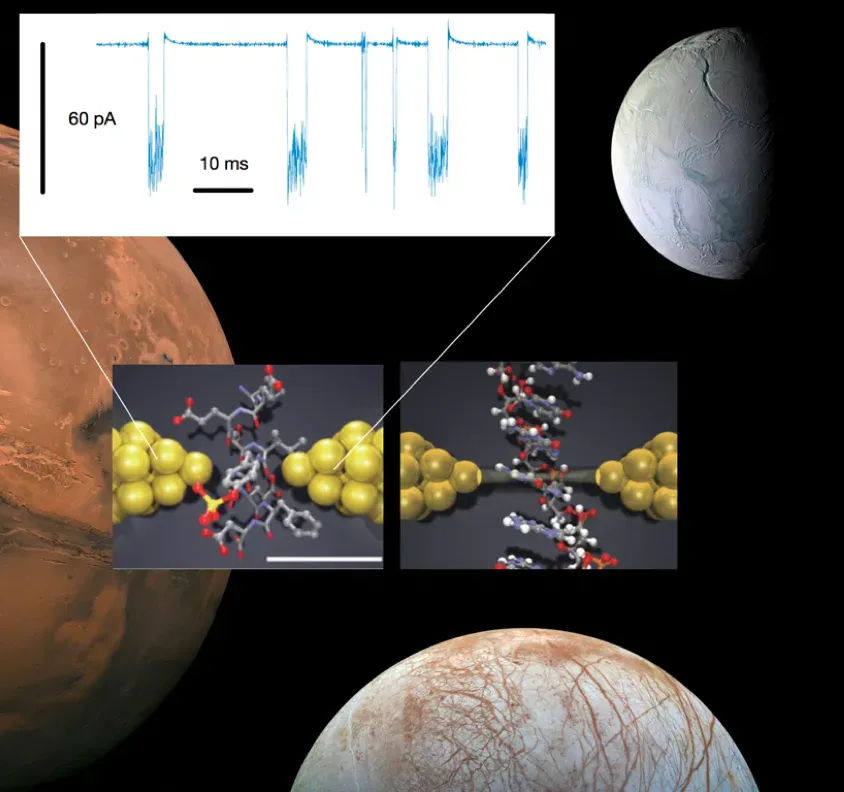
ELIE
An instrument concept to detect life on Enceladus or Europa through single-molecule measurements of amino acids.
Active
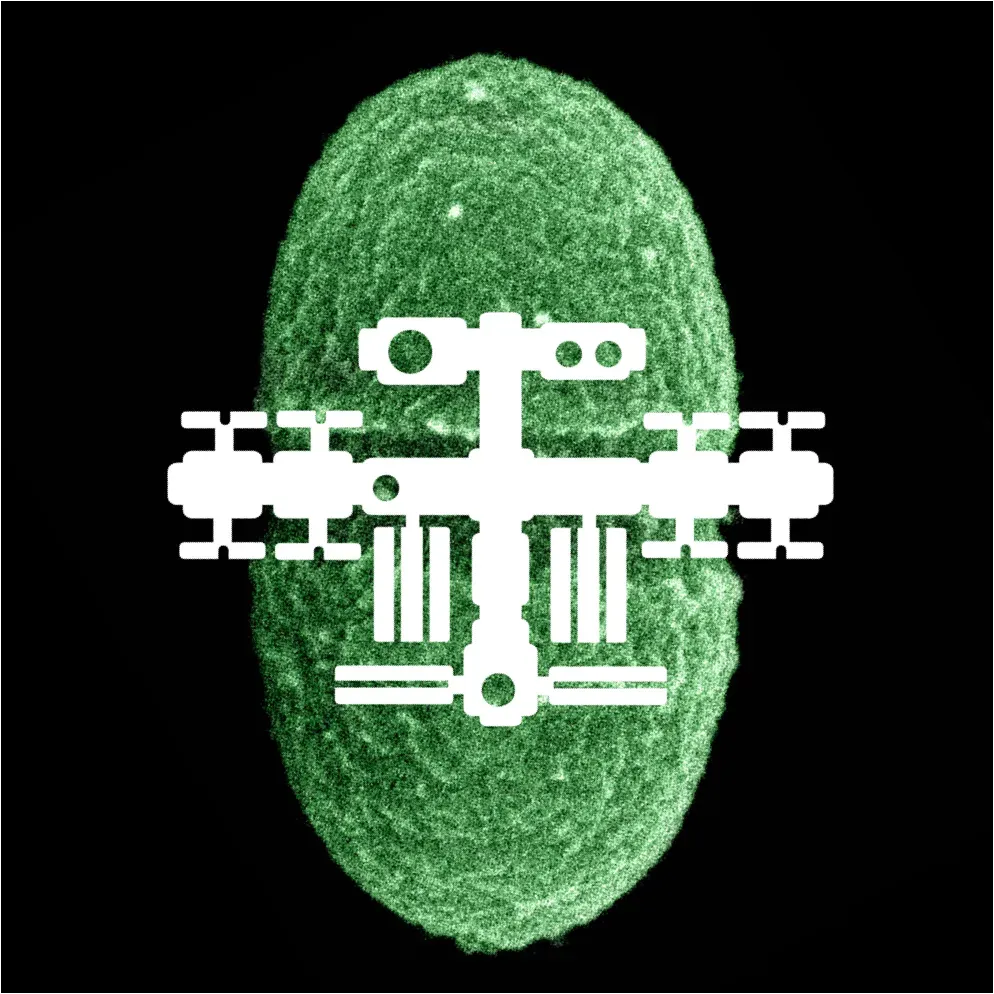
Entero
How Enterococcus bacteria adapt and acquire antibiotic resistance aboard the International Space Station.
Active
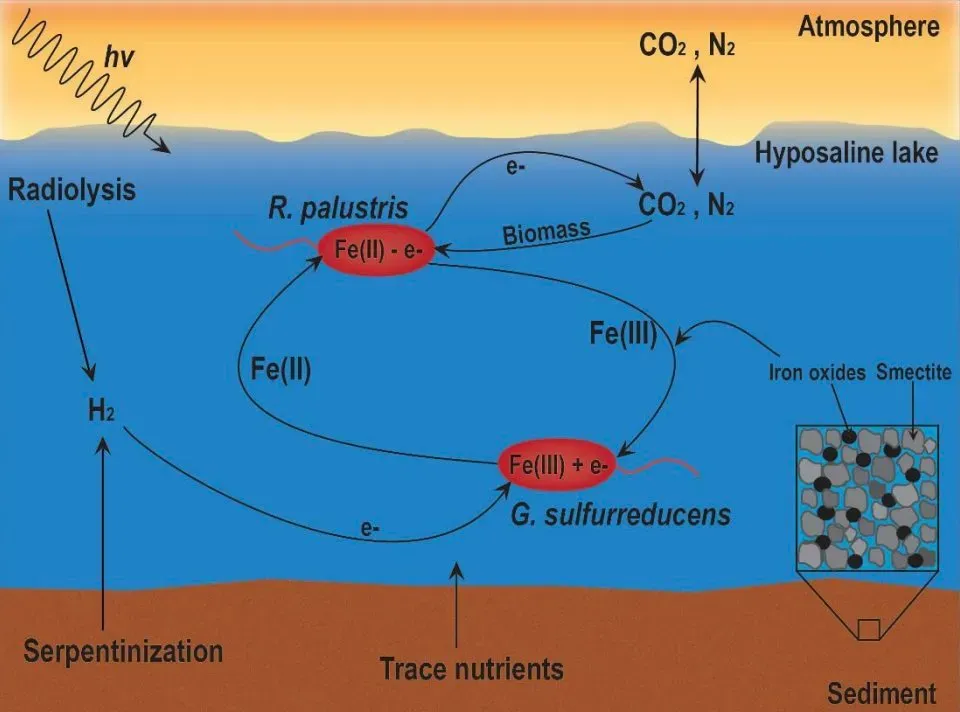
ExoMethane
Using microbial genomes to assess methane production, habitability, and biosignatures in planetary environments such as ancient Mars.
Active
Morning Star
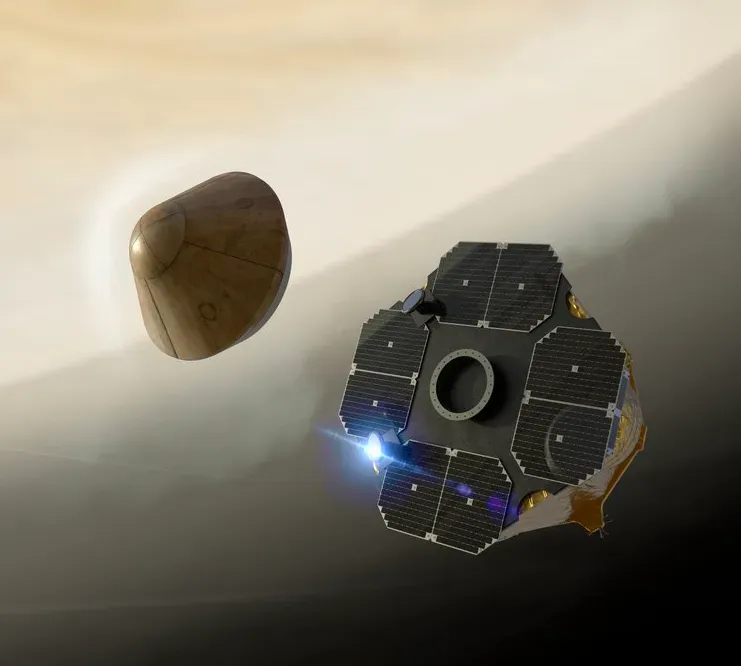
Missions to Venus to search for organic chemistry or life in its clouds, starting with the Rocket Lab mission.
Active
VENUSIAN
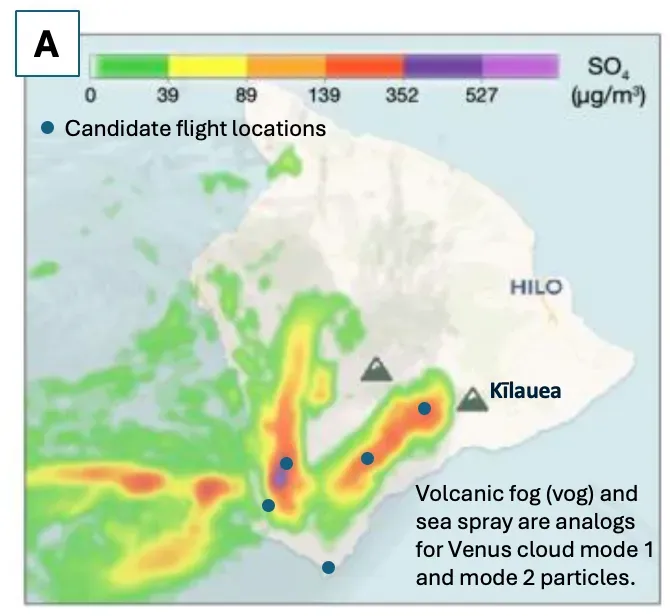
A drone-borne nephelometer that measures volcanic aerosols on Earth as an analog for Venus cloud particles.